


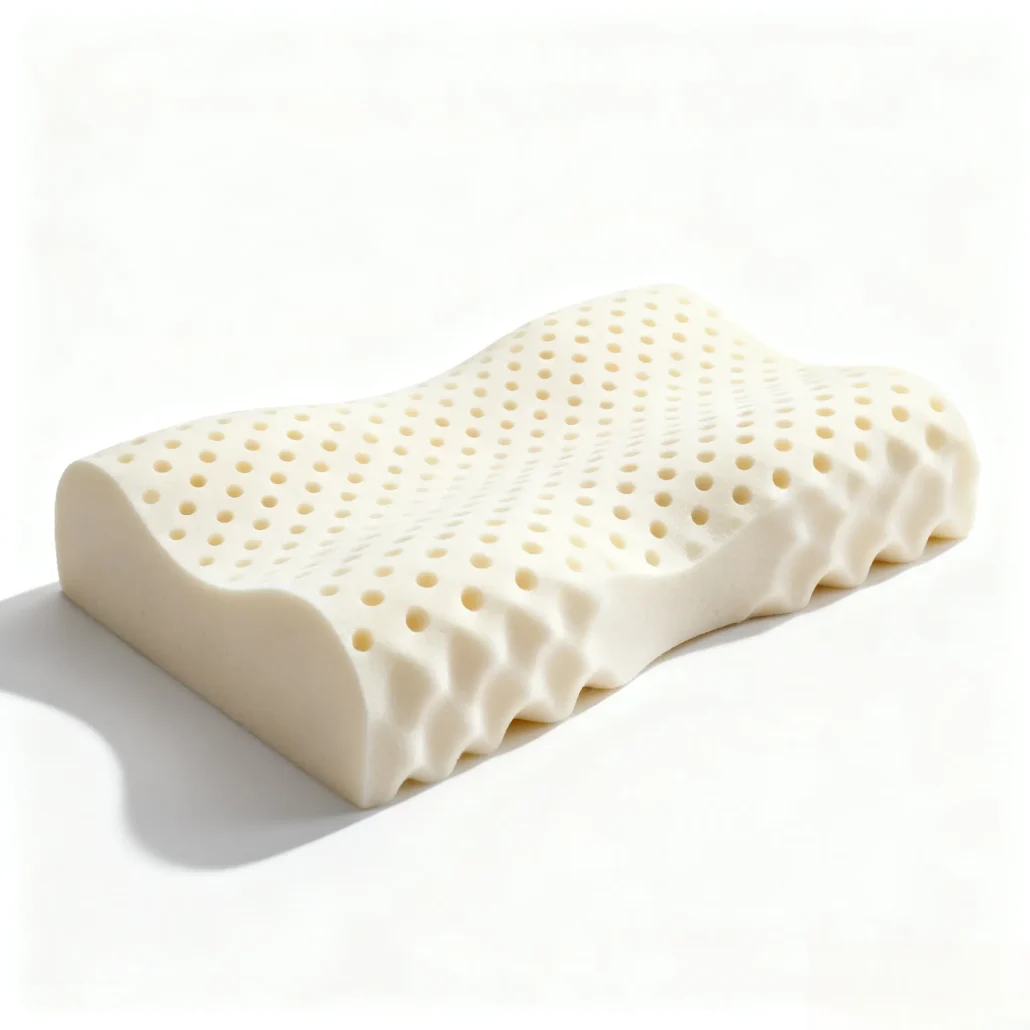
Introduction Latex injection molding is a specialized form of rubber injection molding that uses natural latex to produce highly flexible and durable products. While rubber injection molding is widely utilized across various manufacturing sectors, latex injection molding distinguishes itself through the unique properties of latex rubber. This method is especially valuable in industries requiring exceptional…
05
Nov
Nov
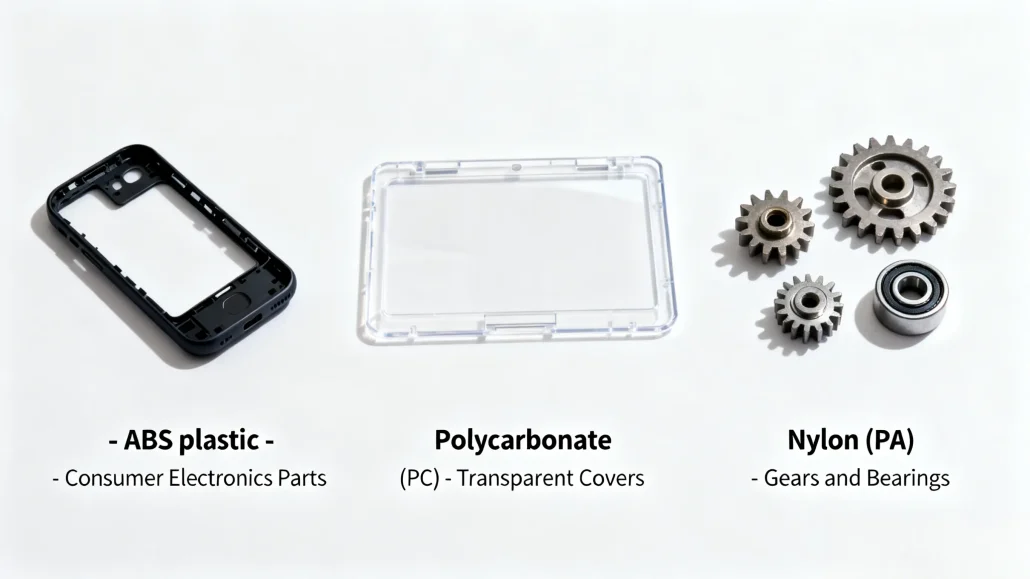
1. An Overview of Injection Molding and Materials What is Injection Molding? Injection molding is a foundational manufacturing process for mass-producing parts. It works by heating a material until it’s molten and then injecting it under high pressure into a precision mold cavity. After cooling and solidifying, the part is ejected, resulting in a product that…
23
Oct
Oct
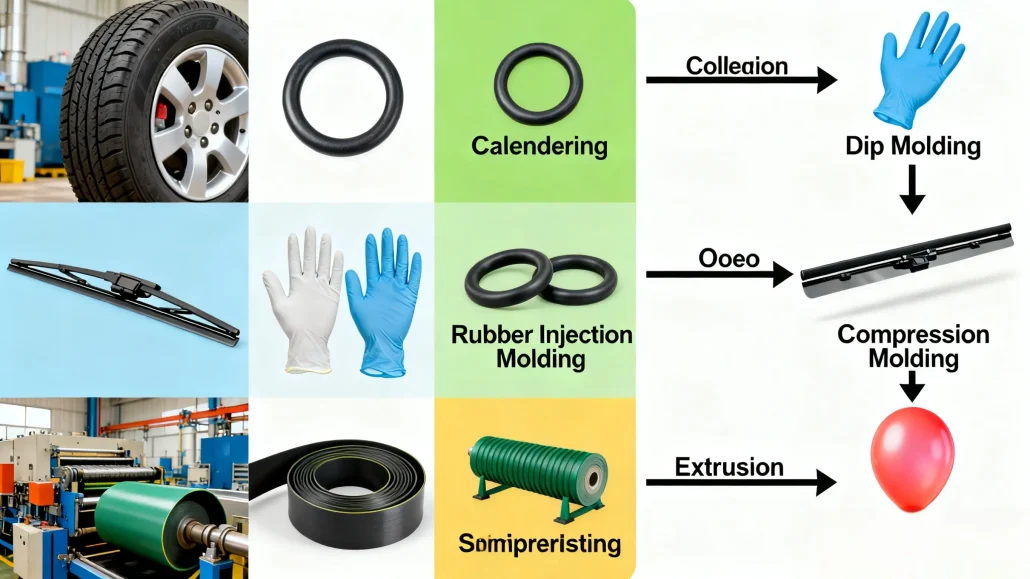
Introduction: The Pivotal Role of Rubber in Diverse Industries Rubber’s unparalleled combination of elasticity, resilience, and durability has cemented its status as a cornerstone material across countless sectors. It’s the silent workhorse in our daily lives—from the tires that keep cars on the road and the seals that prevent industrial leaks to the shoe soles…
20
Oct
Oct
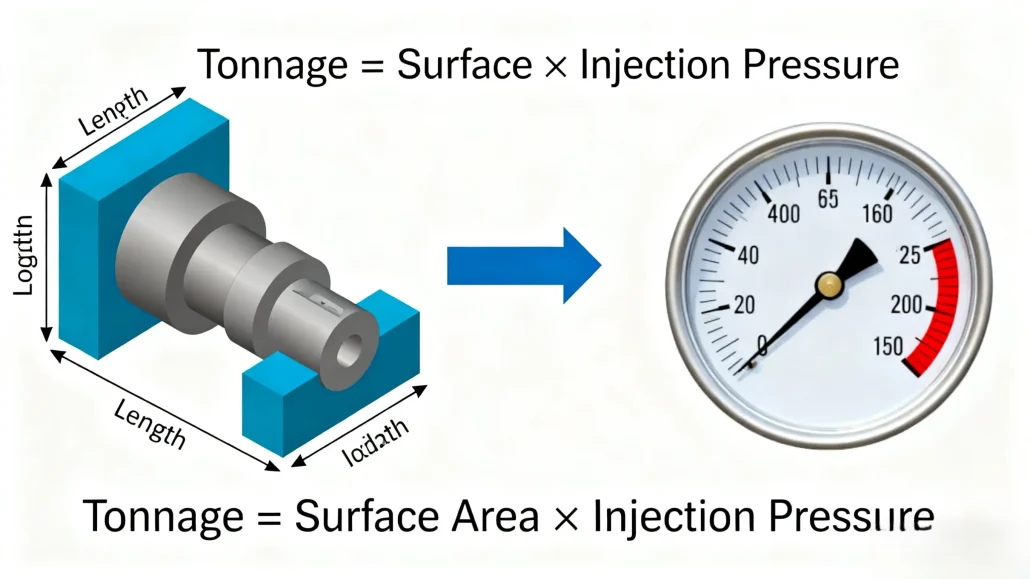
Injection molding stands as a cornerstone manufacturing process for crafting countless plastic and rubber parts, and the tonnage of injection molding machine emerges as a pivotal factor that directly shapes both operational efficiency and product quality. Tonnage, in essence, represents the clamping force a machine exerts to keep the mold tightly closed during the injection…
14
Oct
Oct
1. Introduction What is Plastic Injection Molding? Plastic injection molding is a core manufacturing technique where molten plastic is forced into a custom mold, allowing it to cool and solidify into precise, uniform shapes. This method is a cornerstone of mass production, used to create an extensive range of products—from small automotive components and consumer…
11
Oct
Oct
Liquid Silicone Rubber (LSR) is a versatile, high-performance material used in manufacturing precision components across industries like automotive, medical, electronics, and consumer goods. Unlike solid silicone—typically cured directly in a mold—LSR is a two-part material injected into molds in liquid form, then cured under heat to create durable, flexible parts. This unique trait makes it…

29
Sep
Sep
Introduction: Why Rubber Soles Matter Rubber soles are an indispensable part of modern footwear, blending durability, comfort, and practicality in a way few other materials can. From elegant formal shoes featuring loake rubber sole to all-day wearable heels with rubber sole and winter-ready uggs with rubber sole, the sole directly shapes a shoe’s performance and user experience. Renowned for their…

26
Sep
Sep
Styrene Butadiene Rubber (SBR) stands out as a versatile synthetic rubber, celebrated for its balanced material properties that make it a staple across multiple industries. From automotive manufacturing to consumer goods production, understanding its characteristics, uses in rubber molding, and comparative advantages is key to leveraging its potential effectively. 1. Core Material Properties of SBR…

24
Sep
Sep
Introduction: Understanding Injection Moulding Technology Injection moulding is among the most prevalent manufacturing processes for producing plastic and rubber components across various industries, including automotive, electronics, medical devices, and consumer goods. Central to this process is the injection moulding machine, a crucial piece of equipment that influences efficiency, product quality, and overall production costs….
18
Sep
Sep
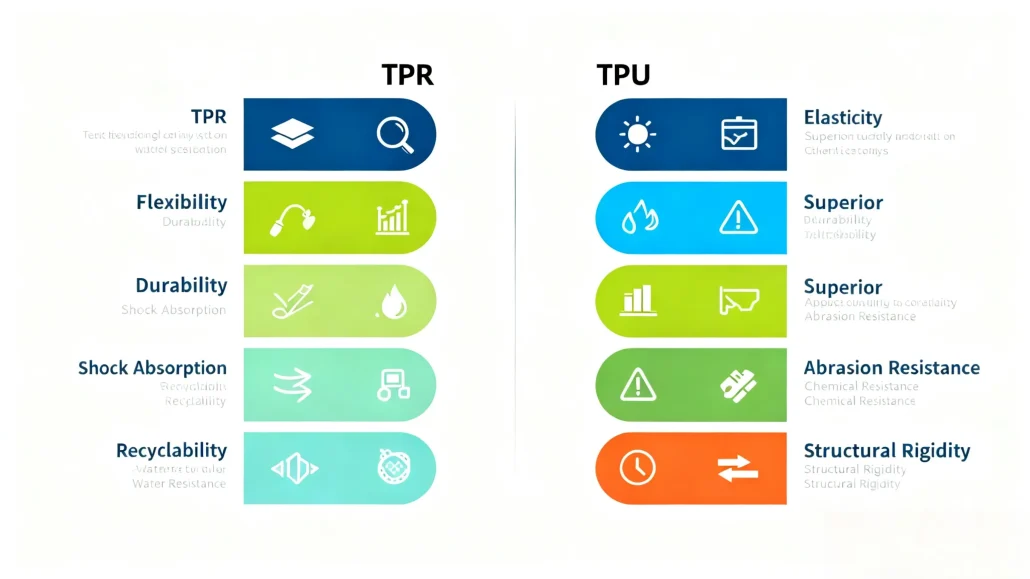
When manufacturing footwear, the selection of sole material directly impacts comfort, durability, and overall product performance. Among the most widely used thermoplastic materials for soles are Thermoplastic Rubber (TPR) and Thermoplastic Polyurethane (TPU). While both serve the core purpose of sole production, their properties, costs, and ideal applications differ significantly. This guide explores the nuances…