


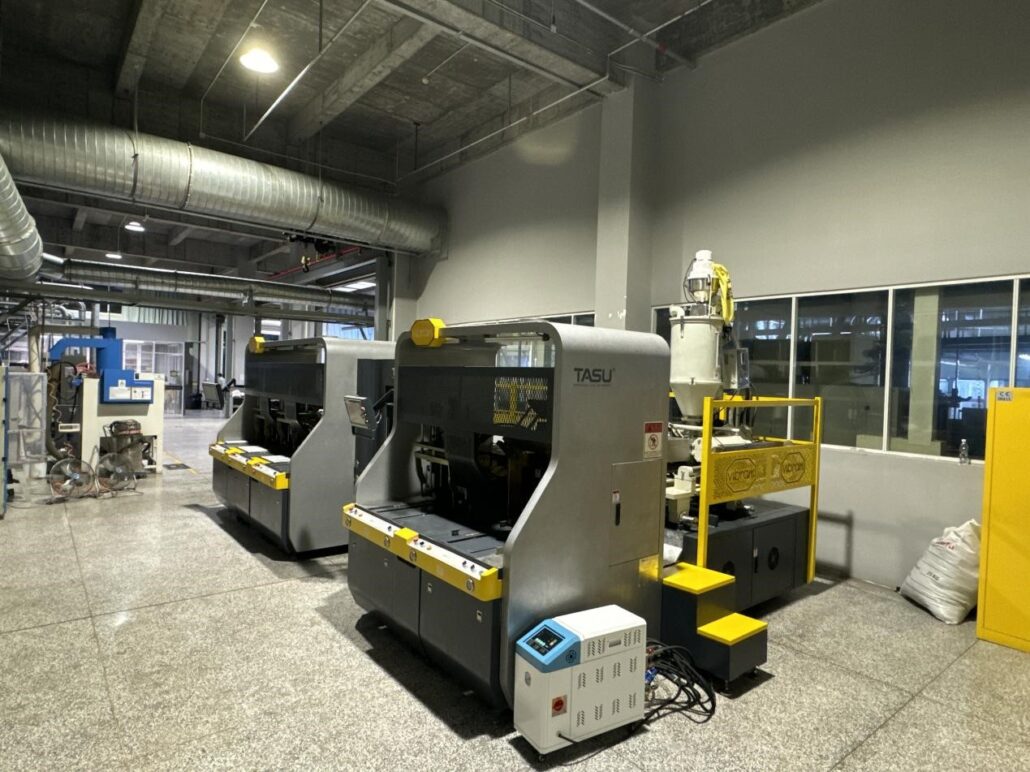
Introduction Rubber is an incredibly versatile material used across various industries, from automotive to medical devices. However, raw rubber, in its unprocessed state, is too soft, sticky, and prone to wear and tear. That’s where the vulcanization process comes in. Vulcanization transforms raw rubber into a tough, elastic, and durable material through the application…

10
Dec
Dec
What is Two Shot Molding? Definition of Two Shot Injection Molding Two-shot molding, also known as 2K injection molding or two-color injection molding, is a manufacturing process that involves injecting two different types of plastic materials into a single mold in two distinct stages. This technique allows for the creation of a single part…

05
Dec
Dec
Introduction to Double Color Injection Molding Injection molding is a widely used manufacturing process, particularly for creating precise, high-volume plastic components. As the demand for more visually appealing and multifunctional parts has risen, traditional single-color injection molding has struggled to meet the evolving needs of various industries. This is where double color injection molding becomes…
03
Dec
Dec
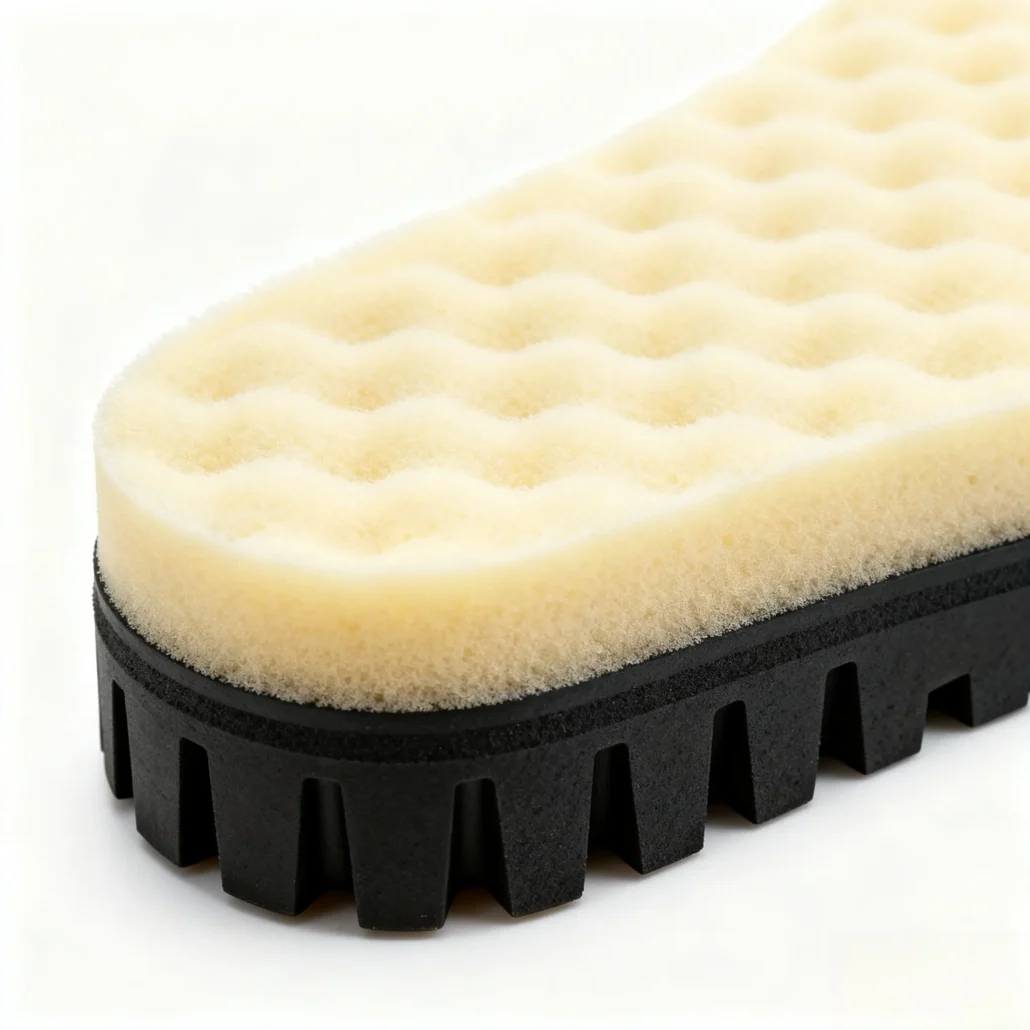
Introduction: What is Rubber Sole Foaming? Rubber sole foaming is a key manufacturing process used to create lightweight, comfortable, and durable footwear soles. It involves using specialized rubber sole injection molding machines to shape rubber while simultaneously integrating a foaming agent. This produces a microcellular foam structure that maintains the strength and flexibility of solid rubber but…

28
Nov
Nov
Introduction In industries ranging from automotive and aerospace to construction and electrical systems, safety and reliability in high-temperature environments are paramount. This is where fire-resistant rubber materials prove indispensable. These specially formulated materials not only resist ignition but also maintain critical properties like flexibility, strength, and functionality under extreme heat, making them essential for sealing,…

25
Nov
Nov
In the field of rubber and plastic product manufacturing, transfer molding stands as a pivotal process bridging traditional compression molding and modern injection molding. It holds an irreplaceable position particularly in thermosetting material forming and precision component encapsulation. From automotive seals to chip packaging, this technology leverages its characteristics of “precision shaping and gentle mold…

20
Nov
Nov
Introduction: The Evolution of Shoe Sole Manufacturing The shoe manufacturing industry has seen significant technological advancements in recent decades. One of the most notable shifts has been the move from traditional Shoe Sole Press Machines to modern Shoe Sole Injection Molding Machines. Historically, pressing machines were the go-to technology for creating shoe soles, using high…

18
Nov
Nov
Introduction In the fast-paced world of footwear production, staying ahead of the competition requires innovation at every step. One of the most important areas of footwear manufacturing is the production of shoe soles, which directly affects both the functionality and aesthetic appeal of shoes. Traditionally, vulcanizing machines have been the go-to for shoe sole production,…
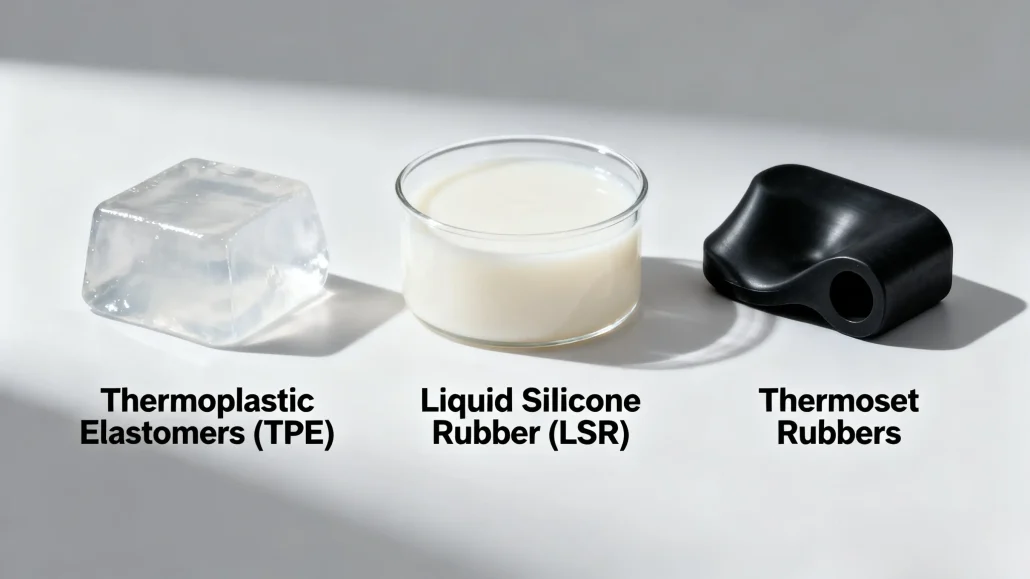
Rubber injection molding has transformed how we manufacture rubber components, offering a precise, efficient, and scalable solution for high-quality parts. By injecting liquid rubber into custom molds—where it cures and takes shape—this method adapts to countless shapes, sizes, and performance needs across industries. From automotive seals to medical devices and consumer goods, rubber injection molding…
10
Nov
Nov
Introduction In modern manufacturing, rubber injection molding stands as a cornerstone technology, revolutionizing how high-quality rubber parts are produced at scale. From automotive components to medical devices, this process bridges precision, efficiency, and versatility—making rubber injection molding machines indispensable for industries worldwide. This guide dives deep into the fundamentals of rubber injection molding, the materials…