

Liquid Silicone Rubber (LSR) is a versatile, high-performance material used in manufacturing precision components across industries like automotive, medical, electronics, and consumer goods. Unlike solid silicone—typically cured directly in a mold—LSR is a two-part material injected into molds in liquid form, then cured under heat to create durable, flexible parts. This unique trait makes it ideal for components requiring tight tolerances, high flexibility, and resistance to extreme temperatures.
The liquid silicone injection molding machine (also called lsr injection molding machine or lsr injection moulding machine) is specialized equipment designed to handle LSR’s unique properties, such as high viscosity and the need for precise temperature control. These machines enable manufacturers to produce intricate parts with high precision and repeatability, making them essential for creating seals, gaskets, medical devices, and automotive components.
Liquid silicone rubber injection molding is highly valued for its ability to craft complex geometries with exceptional accuracy, suiting parts with intricate designs and fine features. Additionally, LSR’s resistance to chemicals, UV light, and extreme temperatures boosts the durability and longevity of molded parts. Below, we dive into LSR’s core traits, how lsr injection molding machine work, their types, advantages, selection criteria, maintenance, and future outlook.
What is Liquid Silicone Rubber (LSR)?
Liquid Silicone Rubber (LSR) is a high-performance elastomer gaining popularity in industries where precision and reliability are non-negotiable. Unlike standard solid silicone— which requires preheating before molding—LSR enters the manufacturing process in liquid form, offering unique properties that make it ideal for specialized applications.
Characteristics of LSR
- Flexibility and Durability: LSR retains flexibility even at extreme temperatures, making it perfect for parts exposed to high or low heat. It withstands repetitive mechanical stress and chemical exposure without losing structural integrity.
- High Precision and Clarity: LSR can be molded into intricate designs with exceptional precision, suiting parts with tight tolerances (e.g., medical devices, automotive seals). Some formulations are optically clear, critical for applications needing transparency.
- Biocompatibility and Non-toxicity: A key reason LSR is favored in healthcare, it is non-toxic, hypoallergenic, and sterilizable without compromising structure—ideal for surgical tools and medical devices.
- Resistance to Environmental Factors: LSR stands up to UV radiation, ozone, and harsh weather, making it suitable for outdoor products and components exposed to extreme conditions.
Benefits of Using LSR in Manufacturing
- Long Lifespan: Its resistance to wear reduces the need for replacements and maintenance, cutting long-term costs.
- Cleanliness and Ease of Maintenance: LSR does not trap dirt or bacteria, making it suitable for hygiene-sensitive industries like food processing and healthcare.
- Injection Molding Efficiency: LSR’s liquid state optimizes liquid silicone rubber injection molding, allowing fast, high-volume production without lengthy curing times.
In short, LSR is a versatile, durable material for high-quality, flexible parts—its temperature resistance, biocompatibility, and precision make it indispensable for modern manufacturing.
How LSR Injection Molding Machines Work
LSR injection molding machine (including liquid silicone injection molding machine and lsr injection moulding machine) are engineered to address the challenges of liquid silicone rubber. Unlike traditional rubber injection molding machine used for thermoplastics, these machines have specialized components to manage LSR’s liquid state and the curing process that solidifies it.
Basic Principles of LSR Injection Molding
The core principle of liquid silicone rubber injection molding is straightforward: liquid silicone rubber is injected into a mold cavity, then heated to cure and harden into its final form. However, several precise steps ensure quality:
- Material Injection: LSR (a two-part mix of liquid base and catalyst) is injected into the mold under pressure via a nozzle that ensures even distribution.
- Mold Curing: Post-injection, LSR undergoes curing (vulcanization)—heat is applied to solidify the rubber, which is critical for achieving desired properties like flexibility and strength.
- Cooling: After curing, the part cools further to lock in shape and size.
- Ejection: The mold opens, and the finished part is removed.

Key Components of LSR Injection Molding Machines
- Injection Unit: Where LSR is mixed, injected, and fed into the mold. It must handle high-viscosity materials and deliver precise amounts.
- Heating System: Features precise temperature control to ensure proper heating during injection and curing—consistency here guarantees uniform material properties.
- Mold Clamping System: Strong clamping mechanisms keep the mold tightly closed during injection and curing, preventing leaks and ensuring part accuracy.
- Control System: Modern lsr injection molding machine have advanced controls that monitor and adjust injection pressure, temperature, and curing time, ensuring each part meets specifications.
Injection Molding Process for LSR
- Material Preparation: LSR base and catalyst are mixed in correct proportions and loaded into the injection unit.
- Injection: Liquid silicone rubber is pressure-injected into the mold cavity, filling it to match the precise shape.
- Curing: The material is cured at high temperatures inside the mold, transforming it into a solid rubber part.
- Ejection and Cooling: The mold opens, the part is ejected, and then cooled to ensure stability and durability.
Overall, lsr injection molding machine are specialized to handle LSR’s unique traits, providing manufacturers a reliable solution for high-quality, precision components.
Types of Liquid Silicone Rubber Injection Molding Machines
When selecting a lsr injection molding machine (or liquid silicone injection molding machine), manufacturers typically choose between horizontal and vertical models—each with advantages tailored to specific applications.
Horizontal vs. Vertical LSR Injection Molding Machines
Horizontal LSR Injection Molding Machines
- Description: The injection unit is positioned horizontally, and the mold is clamped from the side. This is the most common type, used across industries.
- Advantages:
- Ease of Material Handling: Ideal for larger material volumes and versatile for a wide range of part sizes/shapes.
- Faster Cycle Times: Side-clamping design enables quicker cycles, especially for larger parts.
- Flexible Automation: Easily integrated with robots for part ejection, boosting production efficiency.
- Common Applications: Automotive, medical, and consumer electronics industries, where high-volume production is key.
Vertical LSR Injection Molding Machines
- Description: The injection unit is mounted vertically, and the mold is clamped top-to-bottom. This setup simplifies insert molding (where pre-formed parts like metal inserts are placed in the mold before injection).
- Advantages:
- Space-Saving Design: Smaller footprint, perfect for facilities with limited floor space.
- Strong Insert Molding Capabilities: Vertical design allows effective integration of metal or plastic components, creating multi-material parts.
- Ideal for Small Parts: Excels at producing small, intricate components (e.g., seals, gaskets, medical devices).
- Common Applications: Medical device manufacturing, consumer products, and any application requiring insert molding or small, precise parts.
Choosing the Right Machine for Your Production Needs
The choice between horizontal and vertical lsr injection moulding machine depends on:
- Production Volume: Horizontal machines suit high-volume production (faster cycles, larger part compatibility).
- Part Size/Complexity: Vertical machines are better for small, intricate parts or insert molding.
- Space: Vertical models are compact for tight facilities.
Beyond these two categories, specialized lsr injection molding machine exist—such as those for multi-component injection molding or highly automated systems—for unique applications.
Advantages of Using Liquid Silicone Rubber Injection Molding
Liquid silicone rubber injection molding (powered by lsr injection molding machine) offers numerous benefits that make it a top choice across industries:
1. Durability and Flexibility of LSR Parts
LSR parts resist extreme temperatures, UV radiation, and harsh chemicals while maintaining flexibility. This makes them ideal for automotive, medical, and electronics applications where long-lasting, resilient components are critical.
2. High Precision and Repeatability
LSR injection molding machine deliver exceptional precision, creating complex parts with tight tolerances. They produce identical parts in large quantities with minimal variation—essential for medical devices, where quality control is paramount.
3. Environmental and Cost Benefits
- Eco-Friendliness: LSR is non-toxic and produced without harmful additives. The precision of liquid silicone rubber injection molding reduces material waste, and excess silicone can often be recycled.
- Long-Term Cost Savings: LSR’s durability cuts replacement and maintenance costs, while efficient molding reduces production time and waste.
4. Wide Range of Applications
LSR’s versatility makes it suitable for:
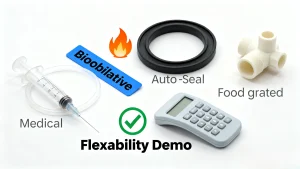
- Medical Devices: Seals, gaskets, and tubing (biocompatible, sterilizable).
- Automotive: Seals, gaskets, and heat-resistant parts (resists oils and extreme temperatures).
- Consumer Electronics: Keypads, connectors, and seals (flexible, durable).
- Food and Beverage: Seals, valves, and processing components (food-grade, easy to clean).
How to Choose the Right Liquid Silicone Injection Molding Machine
Selecting the right liquid silicone injection molding machine (or lsr injection moulding machine) is critical for production efficiency and product quality. Consider these factors:
1. Production Volume
- High-volume production: Choose a larger, automated machine with fast cycle times.
- Low-volume/custom production: Opt for a flexible, compact machine that balances speed and adaptability.
2. Part Complexity and Size
- Larger or complex parts: Horizontal lsr injection molding machine are more suitable.
- Small parts or insert molding: Vertical machines are better.
3. Machine Features and Automation
Look for features that align with your needs:
- Multi-component molding capabilities (for multi-material parts).
- Robotic integration (automatic part removal, packaging, quality inspection).
- Precision temperature control (critical for LSR curing).
- Data collection/monitoring (real-time performance insights).
4. Cost vs. Performance
Balance upfront cost with long-term value. High-end machines offer advanced automation and speed but come with a higher price tag. For businesses new to LSR molding, a cost-effective machine may be ideal—with room to upgrade as production grows.
5. Supplier and Service Support
Choose a supplier that offers reliable after-sales support and maintenance. LSR injection molding machine require regular servicing to stay optimal, and a responsive support team minimizes downtime.
Maintenance and Care for Liquid Silicone Rubber Injection Molding Machines
Proper maintenance ensures the longevity and consistent performance of lsr injection molding machine (and rubber injection molding machine used for LSR). Follow these tips:
1. Regular Cleaning
Clean the injection unit, molds, and components after each production cycle to remove residual LSR or contaminants—buildup can compromise part quality.
2. Inspect the Heating System
The heating system is critical for LSR curing. Regularly check heating elements, thermostats, and temperature controllers—improper heating causes incomplete curing and defective parts.
3. Lubrication and Component Inspection
Lubricate moving parts (clamping mechanism, injection unit) to ensure smooth operation. Inspect seals, gaskets, and hydraulic systems for wear, replacing them promptly to prevent mechanical failures.
4. Monitor Machine Calibration
Calibrate the machine regularly to ensure it operates within specified parameters (injection pressure, mold temperature, curing time). Proper calibration maintains part consistency and reduces defects.
5. Operator Training
Train staff on machine operation, maintenance, and safety protocols. Well-trained operators spot potential issues early, reducing downtime and improving efficiency.
Conclusion
The future of liquid silicone rubber injection molding is bright, driven by technological advancements that enhance lsr injection molding machine performance, energy efficiency, and speed. As industries demand more durable, precise, and eco-friendly parts, LSR will remain a key material for meeting these needs.
Investing in high-quality liquid silicone injection molding machine and staying updated on innovations will help manufacturers stay competitive in a rapidly evolving market. Whether for medical devices, automotive components, or consumer goods, lsr injection molding machine and LSR itself will continue to shape the future of precision manufacturing.