


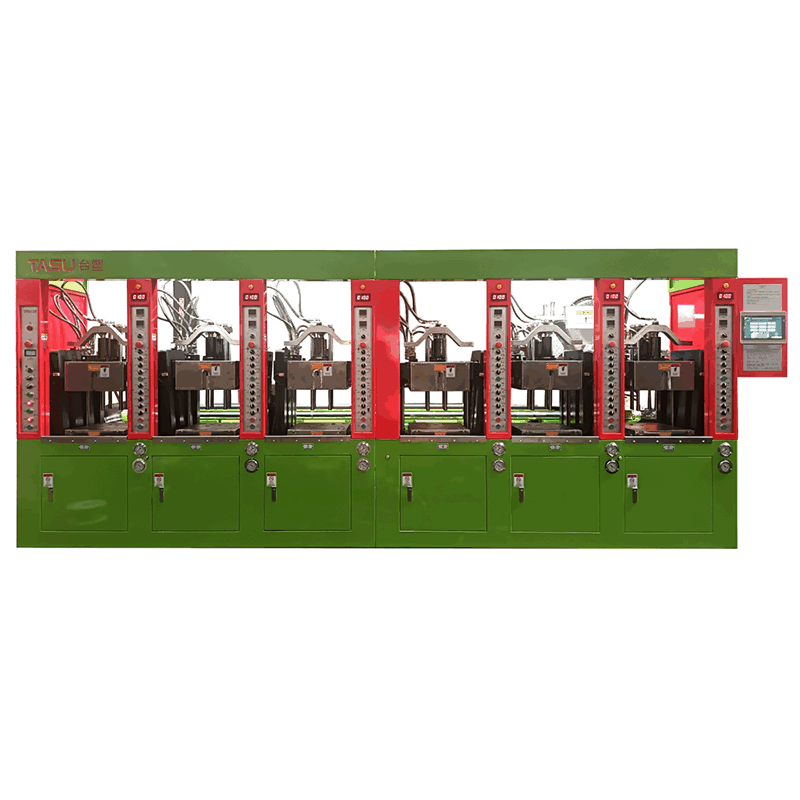
1. Introduction: The Growing Demand for Foam Rubber Molding In today’s rapidly advancing manufacturing landscape, foam rubber molding has emerged as a key process across various industries, thanks to its versatility, efficiency, and cost-effectiveness. Foam rubber is used in a wide array of applications, ranging from automotive seals to medical devices, insulation materials, and…
Introduction Injection molding is one of the most widely used manufacturing processes for producing parts in high volumes. The versatility of injection molding technology allows it to be applied across a range of materials, including metals, plastics, rubber, and silicone. Among these, Liquid Silicone Rubber (LSR) injection molding and rubber injection molding are two popular…
23
Jul
Jul
Introduction: The Importance of Understanding Different Types of Rubber Rubber is a versatile and durable material used across a vast range of industries, from automotive manufacturing to medical device production. Whether it’s a car tire, a rubber seal, or a flexible hose, the type of rubber used can greatly affect the performance, cost, and longevity…

21
Jul
Jul
Introduction: Why Are There Risks in Buying a Used Rubber Moulding Machine? In the rubber processing industry, rubber moulding machines are essential production equipment. They are widely used in the manufacturing of various rubber products, such as automotive parts and industrial seals. For many companies, especially startups or those with tighter budgets, purchasing used equipment…
17
Jul
Jul
Overview of Rubber Moulding Rubber moulding is a widely used manufacturing process that shapes rubber material into various components by applying heat and pressure to molds. This process is crucial for creating durable, flexible, and high-performance rubber products essential across multiple industries. From automotive to medical and consumer goods, rubber moulding plays a vital…

14
Jul
Jul
Rubber transfer molding is a highly versatile and precise manufacturing process used to create various rubber parts and components. This method is particularly valued for its ability to handle complex designs while maintaining high-quality standards. As industries demand better precision and material performance, understanding the specifics of rubber transfer molding becomes crucial for engineers and…

10
Jul
Jul
Blow rubber molding is a specialized manufacturing process that utilizes air pressure to shape rubber materials into hollow parts and components. This method is widely employed in producing a variety of rubber products, such as seals, gaskets, inflatable items like air bladders, and medical devices. The process involves heating rubber until it becomes soft and…
TASU Industrial Co., Ltd. Cordially Invites You to Visit Us at AP-RubberPlas 2025Leading a New Era of Rubber Molding with Innovation and Precision Dear Valued Partner, We are pleased to invite you to visit TASU Industrial Co., Ltd., a leading name in China’s rubber injection molding equipment industry, at the upcoming Asia-Pacific Rubber & Plastics…

05
Jul
Jul
In the world of rubber manufacturing, HCR injection molding stands out as a robust and reliable process for producing high-performance elastomeric components. HCR, or High Consistency Rubber, is a type of silicone rubber known for its putty-like consistency and high molecular weight, making it well-suited for demanding industrial applications. HCR injection molding is a…

02
Jul
Jul
What is EPDM Rubber? EPDM rubber, or Ethylene Propylene Diene Monomer, is a versatile synthetic rubber known for its exceptional resistance to heat, ozone, UV rays, and weathering. Unlike natural rubber, which can degrade under environmental stress, EPDM maintains its physical integrity and elasticity across a wide range of conditions, making it ideal for…