


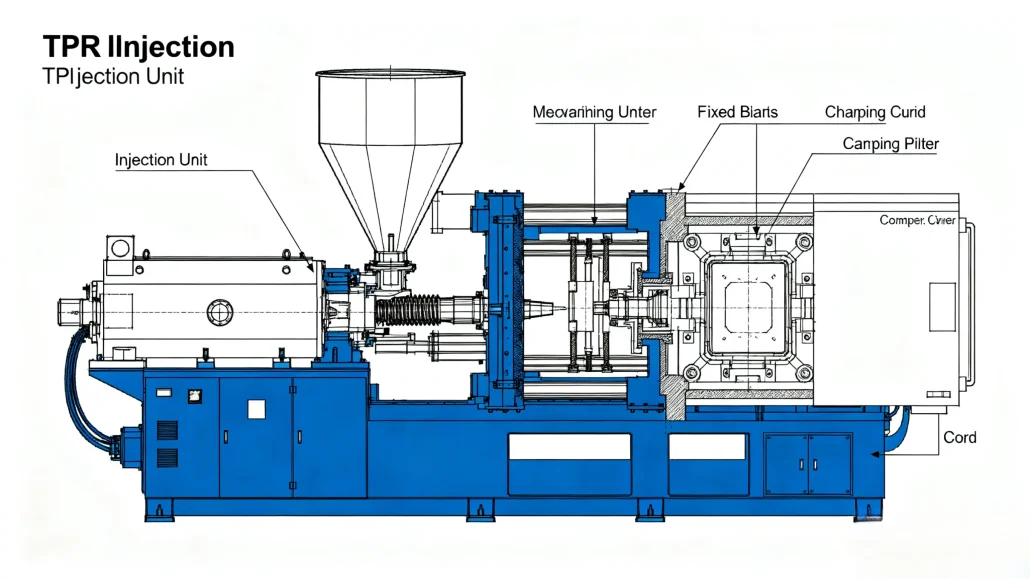
What is Thermoplastic Rubber (TPR)? Thermoplastic Rubber (TPR) is a hybrid material blending rubber and plastic, combining the most advantageous properties of both. It boasts the flexibility characteristic of rubber while offering the processability of plastic, making it highly suitable for injection molding. Thanks to its excellent elasticity, soft tactile feel, and ability to be…
1. What Are TPU and Rubber? What is TPU (Thermoplastic Polyurethane)? Thermoplastic Polyurethane (TPU) is a flexible, highly elastic polymer celebrated for its robustness, resistance to wear, and ability to perform well in both high and low temperature conditions. As a block copolymer, it consists of alternating hard and soft segments—this unique structure gives TPU…

09
Sep
Sep
When it comes to selecting materials for footwear—especially soles—grasping the difference between EVA and rubber is critical for both manufacturers and consumers. These two materials dominate the market, each with unique strengths that make them suitable for specific needs. This article dives into their compositions, properties, and practical applications, with a focus on EVA sole vs. rubber sole comparisons….

04
Sep
Sep
In the grand picture of the footwear industry, the production of rubber soles is undoubtedly a cornerstone of its technical foundation. Rubber has long been the primary material for manufacturing high-performance rubber soles due to its excellent wear resistance, slip resistance, and high flexibility. From classic shoes to high-end basketball sneakers, rubber soles carry people…
29
Aug
Aug
Introduction Neoprene injection molding is a specialized manufacturing process that combines the unique properties of neoprene rubber with the precision and efficiency of injection molding. Neoprene, a synthetic rubber, is widely recognized for its excellent chemical stability, resistance to heat, oil, and weathering, and remarkable elasticity. When molded through injection techniques, it allows manufacturers…

27
Aug
Aug
Introduction to Dual Shot Injection Molding Dual shot injection molding, often referred to as two-shot or multi-shot injection molding, is a sophisticated manufacturing technique that enables the creation of components using two distinct materials or colors within a single production cycle. Unlike traditional single-shot injection molding, which involves injecting only one material, dual shot…

21
Aug
Aug
Introduction to TPU Injection Molding Overview of TPU (Thermoplastic Polyurethane) Thermoplastic polyurethane (TPU) is a highly versatile polymer used in a wide range of industrial applications. Its unique combination of elasticity, abrasion resistance, and toughness makes it ideal for products that need to perform under stress or in challenging conditions. TPU is commonly used…

19
Aug
Aug
Injection molding is one of the most widely used manufacturing processes for producing plastic parts, with two primary methods—1K injection molding and 2K injection molding—offering distinct advantages depending on the complexity and functionality of the desired product. While 1K injection molding is ideal for simple, single-material components, 2K injection molding, also known as two-color injection…

14
Aug
Aug
Liquid Silicone Rubber (LSR) is a versatile, high-performance material known for its outstanding physical properties and wide range of applications. Unlike traditional solid silicone, LSR comes in a liquid form, making it ideal for use in injection molding processes, particularly where intricate designs and high precision are required. LSR is made from a combination…

12
Aug
Aug
I. Introduction to 2K Injection Moulding 2K injection moulding, also known as two-component injection moulding, is a specialized process that involves injecting two different materials into a single mould. This technique allows manufacturers to create complex components made of multiple materials, offering enhanced functionality, aesthetic qualities, and durability. Unlike traditional injection moulding, where only…