


Overview of Rubber Moulding
Rubber moulding is a widely used manufacturing process that shapes rubber material into various components by applying heat and pressure to molds. This process is crucial for creating durable, flexible, and high-performance rubber products essential across multiple industries. From automotive to medical and consumer goods, rubber moulding plays a vital role in the production of seals, gaskets, tubing, and a wide array of custom components.
The process involves using molds to form rubber into specified shapes and sizes, making it particularly beneficial for producing large quantities of identical components. Whether you’re familiar with compression moulding or injection moulding, understanding the basics of rubber moulding can help you make informed decisions regarding its application in your business. In this article, we will explore the different types of rubber moulding, their applications, and how to choose the best technique for your needs.

What is Rubber Moulding?
Definition and Basic Process
Rubber moulding is a manufacturing technique used to shape rubber into specific forms using a mold made from various materials such as steel, aluminum, or brass. The process involves placing rubber material, often in the form of raw rubber or rubber compounds, into a heated mold cavity. The heat and pressure applied cause the rubber to flow and take the shape of the cavity, solidifying into a durable and functional product.
Basic Steps of Rubber Moulding:
- Material Preparation: Raw rubber or rubber compounds are mixed with various additives like curing agents, colorants, or reinforcing fillers.
- Mould Loading: The prepared rubber is placed into the mold cavity.
- Moulding: The mold is closed, and heat and pressure are applied to cure the rubber, allowing it to take the shape of the mold.
- Cooling: After curing, the mold is cooled to solidify the rubber further.
- Demoulding: The finished product is carefully removed from the mold and undergoes post-processing, such as trimming or cleaning.
This process is used to produce various rubber parts, from small precision components to larger industrial parts.
Common Types of Rubber Used in Moulding
Rubber moulding can be performed using different types of rubber materials, each offering unique properties suited for various applications. Some common types include:
- Silicone Rubber: Known for its high temperature and chemical resistance, making it ideal for medical devices and food-grade applications.
- EPDM (Ethylene Propylene Diene Monomer): Offers excellent weathering and ozone resistance, widely used for automotive seals and gaskets.
- Natural Rubber (NR): Provides high elasticity and resilience, commonly used in products requiring durability and flexibility.
- Nitrile Rubber (NBR): Resistant to oils and fuels, often used in seals and gaskets in automotive and industrial applications.
Choosing the right rubber material significantly influences the final product’s durability, flexibility, and performance, making it essential to select the appropriate material for each project.
Types of Rubber Moulding Techniques
Compression Moulding
Compression moulding is one of the oldest and most widely used rubber moulding techniques. It involves placing a pre-measured amount of rubber material into an open, heated mold cavity. The mold is then closed, and pressure is applied, causing the rubber to flow and take the shape of the mold. Once the curing process is complete, the mold is opened, and the finished product is removed.
Advantages of Compression Moulding:
- Cost-Effective for Simple Parts: Ideal for producing large quantities of relatively simple parts at a low cost.
- Versatility: Can be used with a wide range of rubber materials.
- Low Tooling Costs: Molds used for compression moulding tend to be more affordable compared to injection moulding tools.
Applications of Compression Moulding:
Compression moulding is often used for products like automotive gaskets, seals, bushings, and washers.
Injection Moulding
Injection moulding, often used for plastics, is also a popular method for rubber moulding. In this process, rubber material is injected into a closed mold cavity under high pressure. The material is heated until it becomes fluid and is then forced into the mold through a nozzle. Once the rubber cools and solidifies, the mold is opened, and the part is ejected.
Advantages of Injection Moulding:
- Precision: Suitable for manufacturing complex and highly detailed parts.
- Faster Production: The injection moulding process is generally faster than compression moulding, making it ideal for high-volume production runs.
- High Efficiency: Reduced waste and high part-to-part consistency.
Applications of Injection Moulding:
Injection moulding is often used for producing intricate parts such as medical device components, seals, and rubber o-rings.
To learn about the third rubber molding process, click “Exploring the 3 Main Types of Rubber Molding“
Compression Moulding vs Injection Moulding
Key Differences Explained
When deciding between compression and injection moulding, it’s important to understand the strengths and limitations of each process.
- Cost: Compression moulding tends to have lower upfront costs for tooling but may be slower in production time. Injection moulding, while more expensive initially, offers faster production and high precision, making it more cost-effective for high-volume production.
- Production Time: Injection moulding typically provides faster cycle times because it uses continuous injection, while compression moulding may require more time for curing and cooling.
- Part Complexity: Injection moulding is better suited for producing complex parts with intricate details, whereas compression moulding is better for larger, simpler parts.
- Material Waste: Injection moulding is more efficient in terms of material usage, as excess material is often reused, while compression moulding may result in more waste due to the flash that forms around the mold edges.
Which Process is Best for Your Product?
The choice between compression and injection moulding depends on factors such as the size and complexity of the part, production volume, and cost considerations. Compression moulding is typically best for larger, simpler parts, while injection moulding is ideal for more intricate, high-volume components.
The Role of Rubber Injection Machines in Moulding
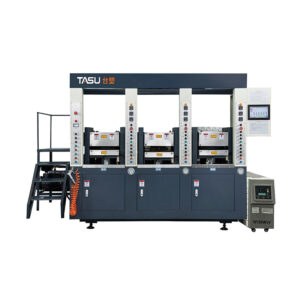
How Rubber Injection Machines Work
Rubber injection machines are sophisticated pieces of equipment designed to automate the rubber moulding process. The machine injects rubber into the mold cavity under high pressure, where it is then subjected to heat for curing. The process involves several key components:
- Injection Unit: This is where the rubber compound is heated and prepared for injection. The rubber is usually heated in a barrel before being injected into the mold.
- Clamping Unit: This part of the machine holds the mold in place and applies the necessary pressure during the injection and curing stages.
- Moulding Chamber: The heated rubber is injected into this chamber, where it is shaped and cured.
- Cooling System: After the rubber has been injected and moulded, it needs to cool down before the part can be safely ejected.
One of the main advantages of rubber injection machines is their ability to provide high levels of precision and repeatability. They are especially useful for producing small, intricate parts where accuracy and tight tolerances are required.
Benefits of Using Rubber Injection Machines
- High Precision: The injection process allows for extremely precise moulding, making it ideal for parts with tight tolerances and complex designs.
- Faster Production: Rubber injection machines can produce parts at a faster rate than compression moulding machines, making them suitable for high-volume production.
- Reduced Material Waste: Unlike compression moulding, where excess material may go to waste, injection moulding is more efficient, as any surplus material can often be reused.
- Consistent Quality: Injection moulding offers consistent product quality from one part to the next, reducing the likelihood of defects.
These machines are commonly used in industries that require mass production of small, intricate rubber parts, such as medical devices, electronics, and automotive components.
The Difference Between Moulding and Molding
Understanding the Terminology
The terms “moulding” and “molding” essentially refer to the same process but differ in spelling based on regional preferences. In British English, the spelling “moulding” is commonly used, while in American English, “molding” is the preferred spelling. Both terms describe the process of shaping materials such as rubber, plastic, or metal into specific forms using a mold or die.
Why the Spelling Difference Matters
While the spelling difference doesn’t affect the actual process, it can be important in branding and marketing. For instance, if you are targeting customers in the United States, it may be more beneficial to use “molding” on your website and marketing materials to align with local preferences.
Application Areas for Rubber Moulding
Rubber moulding is a versatile process used across a wide range of industries to produce durable, flexible components. Some common application areas include:
Automotive Industry
Rubber components play a crucial role in the automotive industry. From seals and gaskets to vibration dampers and O-rings, rubber moulding is used to create parts that provide sealing, noise reduction, and durability. The automotive sector relies on rubber parts that can withstand extreme conditions such as high temperatures, UV exposure, and harsh chemicals.
Consumer Goods
Rubber moulding is also used in manufacturing everyday items. Products like footwear, rubber seals for doors and windows, and rubber toys are all made using rubber moulding techniques. These parts are often designed for comfort, durability, and ease of use, and rubber moulding provides the flexibility and resilience needed for these applications.
Medical Devices
In the medical field, rubber moulding is critical for producing components used in medical devices. From syringes and seals to prosthetics and catheters, rubber parts made using injection or compression moulding processes are essential for maintaining high standards of hygiene, safety, and reliability. Rubber moulding is particularly beneficial in the production of medical devices that require precise, contamination-free parts and materials that can be sterilized and used in patient care.
Conclusion
Rubber moulding is a versatile and essential manufacturing process used across various industries. By understanding the different moulding techniques, material choices, and application areas, manufacturers can make informed decisions that improve product quality and production efficiency. Whether you’re choosing between compression moulding and injection moulding or exploring the latest advancements in rubber injection machines, understanding the nuances of rubber moulding can help ensure the success of your projects. By selecting the appropriate techniques and materials, businesses can create high-quality rubber products that meet the demands of their specific applications, ultimately leading to greater customer satisfaction and business success.