


1. Introduction: The Growing Demand for Foam Rubber Molding
In today’s rapidly advancing manufacturing landscape, foam rubber molding has emerged as a key process across various industries, thanks to its versatility, efficiency, and cost-effectiveness. Foam rubber is used in a wide array of applications, ranging from automotive seals to medical devices, insulation materials, and packaging. The production of foam rubber via molding processes such as rubber injection molding has become a critical component of the manufacturing ecosystem.
What is Foam Rubber Molding?
Foam rubber molding refers to the process of creating rubber materials with a foam-like texture and structure through molding techniques. The main characteristic of foam rubber is its cellular structure, which allows it to provide cushioning, insulation, and soundproofing properties. By combining rubber’s durability and foam’s lightweight, flexible nature, foam rubber meets the diverse needs of industries such as automotive, construction, electronics, and healthcare.
Why is Foam Rubber Molding Important?
The demand for foam rubber molding continues to rise because of its wide applicability and superior performance in various demanding environments. The rubber foam can be engineered to provide a balance between flexibility, density, and resilience. This is especially beneficial in industries where high performance is required, such as in sealing, vibration damping, or thermal insulation. Additionally, with the rise in automation and technological advancements, rubber foam molding has become more efficient, cost-effective, and scalable.
With this growing demand, it is essential to understand the key processes and technologies behind foam rubber molding, including rubber injection molding and the machines used to create these versatile products. The following sections delve into the intricacies of these processes, equipment, and how they contribute to the industry.
2. What is Rubber Injection Molding?
Rubber injection molding is one of the most widely used techniques for manufacturing rubber products, including foam rubber. This method involves injecting rubber material into a mold cavity, where it is subjected to heat and pressure to create a solidified product with the desired shape and properties. The injection molding process is highly efficient and allows for the production of complex, high-quality rubber components at scale.
Definition and Process of Rubber Injection Molding
The rubber injection molding process begins with raw rubber material, which is preheated to a liquid state. The heated material is then injected into a mold cavity under high pressure, where it cools and solidifies into the desired shape. The key stages of this process are:
-
Material Preparation: Rubber is mixed with various additives such as curing agents, accelerators, and stabilizers to ensure it achieves the desired properties. For foam rubber, blowing agents are also incorporated to create the foam structure during molding.
-
Injection into the Mold: Once the rubber is prepared, it is injected into a pre-designed mold under controlled pressure. The mold can be designed to produce a range of products, from simple gaskets to intricate foam rubber seals.
-
Curing and Cooling: After the material is injected, the rubber undergoes a curing process known as vulcanization. This process involves heating the rubber to a certain temperature, which cross-links the polymer chains and solidifies the material. Once cured, the product is cooled, removed from the mold, and inspected.
-
Finishing and Quality Control: The molded foam rubber products are checked for defects such as air bubbles, surface imperfections, or inconsistencies in density. Additional finishing steps like trimming or surface treatments may be applied.
How Rubber Injection Molding Differs from Traditional Methods
Compared to traditional rubber molding techniques like compression molding and transfer molding, rubber injection molding offers several distinct advantages:
-
Precision and Repeatability: Injection molding provides highly accurate control over the product dimensions and can replicate the same design consistently, making it ideal for high-volume production.
-
Complex Geometries: Rubber injection molding can produce parts with intricate shapes and fine details, which may be difficult or time-consuming to achieve with other methods.
-
Faster Cycle Times: The injection molding process generally requires less time to complete compared to other molding methods, as the curing process is accelerated through controlled temperature and pressure.
-
Material Efficiency: The injection process minimizes waste, as only the required amount of material is injected into the mold, leading to reduced material costs and higher production efficiency.
While rubber injection molding is often preferred for large-scale, complex part production, it requires a higher initial investment in mold design and equipment, making it more suitable for high-volume manufacturing.
3. The Role of the Rubber Foam Machine
Rubber foam machines are crucial to the production of foam rubber components, particularly in industries that require lightweight, resilient, and insulating materials. These machines facilitate the creation of rubber foam by incorporating blowing agents, heat, and pressure into the rubber material, enabling it to expand and form a foam-like texture.
What is a Rubber Foam Machine?
A rubber foam machine is specialized equipment designed to mix, heat, and inject rubber materials along with foam-generating agents into a mold. The process involves a combination of heat and mechanical force to expand the rubber into a foam structure, giving it the properties needed for specific applications. Rubber foam machines are capable of producing various foam densities, ranging from soft, flexible foams to rigid, high-density foams.
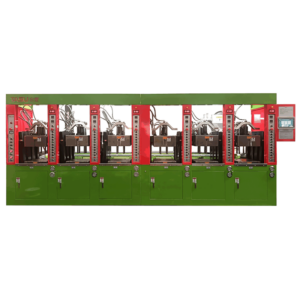
Types of Rubber Foam Machines
There are several types of rubber foam machines, each suited for different applications and production needs:
-
Batch Foam Machines: These machines mix rubber and foam agents in a batch process. Once mixed, the foam material is poured into molds, where it is then cured. This type of machine is suitable for small to medium production runs.
-
Continuous Foam Machines: Continuous foam machines are used for large-scale production of foam rubber products. These machines are designed to produce foam rubber continuously, with the material being extruded into molds or formed into sheets, rolls, or other shapes.
-
High-Pressure Foam Machines: These machines are designed to inject rubber into molds under high pressure to ensure uniformity and consistency in foam production. They are particularly useful in creating foam with high precision and density.
-
Custom Rubber Foam Machines: Some manufacturers specialize in custom-built rubber foam machines, which can be tailored to the specific needs of a customer. These machines may include features such as variable pressure settings, adjustable heating elements, and enhanced cooling mechanisms for different types of foam production.
Considerations When Selecting the Right Rubber Foam Machine
When choosing a rubber foam machine, there are several factors to consider:
-
Production Volume: The machine should match the scale of your production. For high-volume manufacturing, a continuous foam machine may be the most efficient.
-
Foam Density: The machine should be able to handle the desired foam density, whether soft, medium, or high-density.
-
Material Compatibility: Ensure that the machine can accommodate the specific rubber material you are using, as different materials may require different temperature and pressure settings.
-
Automation and Efficiency: Advanced rubber foam machines come with automation features that help optimize production efficiency, minimize waste, and reduce labor costs.
4. The Science Behind Foam Rubber Production
Understanding the science behind foam rubber production is essential for optimizing the process and producing high-quality products. The combination of rubber material and blowing agents plays a crucial role in determining the properties of the final foam rubber product.
How Foam Rubber is Made
The process of creating foam rubber involves mixing rubber with various additives, including blowing agents (usually chemical compounds that release gases upon heating). These gases cause the rubber to expand, creating the characteristic foam structure. The foaming process occurs during the injection molding or foam molding stage.
Key Steps in Foam Rubber Production:
-
Rubber Mixing: Raw rubber is mixed with foaming agents, curing agents, accelerators, and other additives.
-
Foam Formation: The material is injected into the mold, where the blowing agents are activated by heat, causing the material to expand into a foam.
-
Curing: The foam rubber is then cured or vulcanized to solidify its structure and improve its mechanical properties.
Different Foam Rubber Types and Their Applications
Foam rubber can be categorized into different types based on its cell structure and material properties. Some of the most common types include:
-
Flexible Foam Rubber: This type of foam is soft, flexible, and compressible, making it ideal for cushioning and sealing applications. It is often used in automotive seating, packaging, and padding.
-
Rigid Foam Rubber: Rigid foams are denser and provide excellent insulation properties. They are commonly used in construction, refrigeration, and industrial applications that require thermal or sound insulation.
-
Open-Cell Foam Rubber: In open-cell foam, the cells are interconnected, allowing air to pass through. This type is lightweight and breathable, often used in products like soundproofing materials or filters.
-
Closed-Cell Foam Rubber: In closed-cell foam, the cells are isolated, providing greater insulation and resistance to moisture. This foam is used in applications where water resistance and structural integrity are required.
5. How an Injection Molding Machine Works in Foam Rubber Molding
Injection molding machines play a central role in foam rubber molding. These machines provide the controlled environment necessary for producing precise, high-quality foam rubber products.
Role of the Injection Molding Machine
The injection molding machine is responsible for injecting heated rubber and blowing agents into the mold cavity under high pressure. This process allows the foam to form within the mold, taking the desired shape. Injection molding machines also ensure the even distribution of foaming agents, resulting in a uniform foam structure.
Key Features to Look for in an Injection Molding Machine
When selecting an injection molding machine for foam rubber production, there are several features to consider:
-
Precision Control: Look for machines that provide precise control over injection speed, pressure, and temperature.
-
Automation: Automated systems help streamline the production process, reducing labor costs and increasing throughput.
-
Material Compatibility: Ensure the machine can accommodate the type of rubber and additives used in foam production.
-
Energy Efficiency: Energy-efficient machines help reduce operating costs, especially for high-volume production runs.
6. Advantages and Disadvantages of Foam Rubber Molding
Foam rubber molding is an invaluable process in modern manufacturing, but like all technologies, it comes with its own set of advantages and challenges. Understanding both sides is essential for businesses deciding whether this process aligns with their production needs.
| Category | Advantages | Disadvantages |
|---|---|---|
| Cost Efficiency | High-efficiency for large-scale production, lower unit cost, reduces labor and material waste. | High initial investment for equipment and mold design, requiring significant capital. |
| Design Flexibility | Can produce complex geometries and customized foam rubber parts to meet diverse application needs. | Mold design can be complex; improper design may affect product quality. |
| Material Efficiency | Precise injection molding control ensures high material utilization, minimizing waste. | In some cases, material properties may lead to production instability or inconsistency. |
| Uniformity and Consistency | High consistency in product dimensions and performance, meeting high-quality standards. | Defects like air bubbles, voids, or uneven foam density may occur, increasing scrap rates. |
| Durability and Performance | Excellent durability and performance, especially in sealing, vibration damping, and insulation applications. | High energy consumption: Requires significant energy for heating and maintaining pressure, especially during large-volume production. |
| Potential Defects | – | Defects may arise during production, such as air bubbles, surface irregularities, or inconsistent foam density. |
Conclusion
Foam rubber molding is an essential process in today’s manufacturing world, offering numerous advantages, including cost efficiency, design flexibility, and durability. As industries continue to demand lightweight, versatile, and high-performance materials, foam rubber will remain an indispensable part of the supply chain. The advancements in rubber injection molding machines and rubber foam machines will only further drive innovation and efficiency in the production of foam rubber products.
As sustainability becomes a central concern for manufacturers, the industry will likely continue moving toward greener and more energy-efficient practices. With ongoing technological advancements and a growing focus on eco-friendly materials, the future of foam rubber molding looks promising.