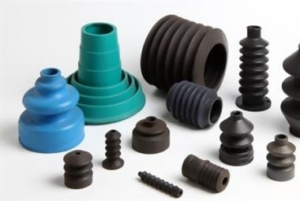
Rubber transfer molding is a highly versatile and precise manufacturing process used to create various rubber parts and components. This method is particularly valued for its ability to handle complex designs while maintaining high-quality standards. As industries demand better precision and material performance, understanding the specifics of rubber transfer molding becomes crucial for engineers and manufacturers.
While
rubber injection molding and rubber transfer molding may seem similar, they each offer distinct benefits based on specific project requirements. Rubber transfer molding excels in producing intricate, high-precision rubber parts with consistent performance. It is widely utilized across several industries, from automotive to medical, for its ability to produce parts with excellent dimensional accuracy and durability.
This article delves into the rubber transfer molding process, compares it with other rubber molding techniques, highlights its numerous advantages, and provides insights into choosing the right molding method for your needs. Whether you’re new to the process or looking to optimize manufacturing practices, this guide will equip you with the necessary knowledge to make informed decisions.
What is Rubber Transfer Molding?
Rubber transfer molding is a manufacturing process that shapes rubber into specific parts by transferring the material into a mold cavity. The process begins with placing pre-measured rubber into a heated mold chamber, where it is then forced into a mold under pressure. Once in the mold, the rubber material cures, forming a solid, durable part that retains its shape once the mold is removed.
Definition and Basics of Rubber Transfer Molding
Transfer molding, while similar to injection molding, has unique features. Unlike injection molding, where rubber is directly injected into the mold cavity, in transfer molding, the rubber material is first loaded into a separate chamber before being transferred into the mold via a plunger mechanism. The material is then heated and pressurized, allowing it to fill the intricate spaces of the mold cavity.
Comparison with Rubber Injection Molding
While both methods are used to create rubber parts, the key difference lies in how the material is introduced into the mold. In rubber injection molding, the material is injected directly into the cavity, whereas in transfer molding, the rubber is preheated in a transfer chamber before being moved into the mold. This distinction makes transfer molding ideal for more complex or delicate designs that may require careful handling or tighter tolerances.
Materials Used in Rubber Transfer Molding
Rubber transfer molding can handle a variety of materials, including natural rubber, silicone rubber, EPDM (ethylene propylene diene monomer), and NBR (nitrile butadiene rubber). These materials offer different benefits, such as resistance to heat, chemicals, or extreme conditions. The ability to work with a wide range of materials is one of the reasons transfer molding is widely used in industries requiring specialized rubber parts.
How Does the Rubber Transfer Molding Process Work?
The rubber transfer molding process is typically broken down into several distinct steps, each playing a critical role in creating high-quality, precision rubber parts. Here’s an overview of the step-by-step process:
Step 1: Preparation of the Rubber Material
The process begins with preparing the rubber material. Pre-measured amounts of rubber are placed into the transfer chamber or pot. This rubber material can be in the form of pre-formed pellets or sheets, which are loaded manually or automatically, depending on the production setup. The rubber material is then preheated to make it more pliable.
Step 2: Closing the Mold and Transfer of Rubber
Once the rubber material is prepared, the mold is closed, and a plunger is used to push the rubber from the transfer pot into the mold cavity. The mold is typically heated to a specific temperature, which causes the rubber to soften and flow more easily into the intricate cavities of the mold. This transfer step is vital to ensure that the rubber fills every part of the mold, especially when dealing with complex geometries.
Step 3: Curing the Rubber
After the rubber is transferred into the mold, it must be cured, or vulcanized, to achieve the desired hardness and durability. The curing process typically involves heat, which causes a chemical reaction that strengthens the rubber, making it more elastic and resistant to wear and tear. Curing time varies depending on the material and the part’s size, but it typically lasts between a few minutes to several hours.
Step 4: Removal of the Molded Part
Once the rubber is fully cured, the mold is opened, and the part is removed. The rubber part is allowed to cool and solidify before further inspection. Any flash (excess rubber) is typically trimmed off in a secondary process. The final product is a highly precise rubber component that can be used in various applications.
Key Advantages of Rubber Transfer Molding
Rubber transfer molding is highly regarded for its numerous advantages, especially when compared to other rubber molding techniques such as rubber injection molding or compression molding. Here are some key benefits of rubber transfer molding:
1. High Precision and Repeatability
Transfer molding offers superior precision, which is essential for producing parts with tight tolerances. The ability to accurately control the molding process, from temperature to pressure, ensures that each part produced is consistent in terms of size, shape, and material properties.
2. Ability to Handle Complex Geometries
One of the standout features of transfer molding is its capability to produce rubber parts with intricate designs. This is especially useful for industries that require detailed, small-scale components, such as medical devices or electronic seals. The process excels in creating thin walls, small cavities, and other fine details that may be challenging with other methods.
3. Improved Material Properties
The curing process in transfer molding enhances the material properties of rubber, resulting in parts that exhibit excellent elasticity, durability, and resistance to various environmental factors such as heat, chemicals, and ozone. This makes transfer molding ideal for parts that need to perform in harsh conditions.
4. Low Waste and High Efficiency
Since rubber is pre-measured and placed into a transfer pot, there is minimal waste compared to other processes where excess material may be discarded. Additionally, transfer molding is a more efficient process for small to medium production runs, particularly for complex parts that may not be suitable for mass injection molding.
Applications and Industries for Transfer Molded Rubber Parts
Rubber transfer molding is widely used across multiple industries due to its ability to produce high-precision, durable parts. The versatility of the process allows for the creation of a broad range of components essential to the functionality of various products. Here are some common applications and industries that rely heavily on transfer molded rubber parts:
1. Automotive Industry
In the automotive sector, rubber parts are critical for ensuring the performance and safety of vehicles. Transfer molded rubber parts such as gaskets, seals, bushings, and O-rings are used in engines, transmissions, doors, and windows. These parts must meet stringent standards for durability, flexibility, and temperature resistance, which transfer molding can provide.
2. Medical Devices
The medical industry demands precision and reliability, especially for rubber components used in devices like pumps, seals, gaskets, and diaphragms. Transfer molded rubber parts are often used in medical devices due to their ability to meet exacting standards for biocompatibility and sterility. The fine control offered by transfer molding allows for the production of parts that fit complex assemblies and withstand harsh sterilization procedures.
3. Electronics and Electrical Applications
Transfer molded rubber parts are crucial in the electronics industry, where they are used for components like seals, insulators, and vibration dampeners. Rubber seals protect sensitive electrical components from moisture, dust, and other environmental factors. Transfer molding ensures that these seals are both durable and precise, minimizing the risk of defects and maximizing the lifespan of the final product.
4. Aerospace and Aviation
In aerospace and aviation, rubber parts must withstand extreme conditions, including high altitudes, varying temperatures, and high-pressure environments. Components such as O-rings, seals, and gaskets are often transfer molded to meet the rigorous demands of this industry. The precision offered by transfer molding ensures that each part performs reliably under challenging conditions, contributing to the safety and efficiency of aerospace systems.
5. Industrial Applications
Industrial machinery and equipment rely on rubber parts that can endure high levels of stress, pressure, and exposure to chemicals. Rubber transfer molded parts like seals, gaskets, and diaphragms are essential in industries ranging from chemical processing to oil and gas. The ability to produce large quantities of high-performance parts makes transfer molding an attractive option for manufacturers in these sectors.
Rubber Injection Molding vs. Transfer Molding: What’s the Difference?
Understanding the differences between rubber injection molding and rubber transfer molding is crucial when deciding which method best suits your production needs. Both processes are effective for creating rubber parts, but they vary significantly in terms of how the rubber material is introduced into the mold, the types of parts they produce, and their ideal applications. Below is a comparison of these two rubber molding processes in a simple, easy-to-read table:
| Aspect |
Rubber Injection Molding |
Rubber Transfer Molding |
| Material Introduction |
Rubber is injected directly into the mold cavity. |
Rubber is preheated in a transfer chamber and then transferred to the mold. |
| Complexity of Parts |
Best for simpler, uniform parts with minimal detailing. |
Ideal for complex, intricate designs and parts with high precision requirements. |
| Cycle Time |
Faster cycle times, especially for high-volume runs. |
Slower cycle times due to additional steps like preheating and transfer. |
| Mold Design Flexibility |
Less flexibility with intricate or small cavities. |
Excellent for molds with complex geometries, thin walls, or small cavities. |
| Production Volume |
Suited for high-volume, large-scale production. |
Better suited for small to medium production runs or custom parts. |
| Part Consistency |
Excellent consistency in high-volume production. |
High consistency in parts with complex shapes or tight tolerances. |
| Material Options |
Works well with a wide range of rubber materials. |
Suitable for various rubber compounds, including those that require precise curing. |
| Cost |
Generally lower cost per part in high-volume production. |
Higher cost per part, especially for smaller runs, due to the additional process complexity. |
| Applications |
Automotive, consumer goods, and electronics for high-volume, simpler parts. |
Aerospace, automotive seals, medical devices, and electronics requiring high precision. |
Key Differences Explained:
-
Material Introduction: Injection molding injects rubber directly into the mold, making it faster for high-volume production. Transfer molding, by contrast, requires the rubber to be placed in a transfer pot before being moved to the mold, which can take more time but is better suited for intricate designs.
-
Complexity of Parts: Transfer molding excels in creating parts with intricate geometries, thin walls, and small cavities. It’s ideal for high-precision parts, while injection molding is better for simpler designs with larger tolerances.
-
Cycle Time: Injection molding is typically faster, especially for high-volume production, as it eliminates the extra steps needed in transfer molding like preheating the material and transferring it into the mold.
-
Production Volume: Injection molding is well-suited for mass production runs due to its speed, while transfer molding is often chosen for smaller or medium production runs that require greater precision or customization.
Choosing the Right Rubber Molding Process for Your Needs
Selecting the right molding process for rubber parts depends on several factors, including the complexity of the part, production volume, material requirements, and cost considerations. Here are some key points to consider when choosing between transfer molding, injection molding, and other rubber molding processes:
1. Part Complexity
If your part requires intricate geometries, fine details, or complex features, transfer molding may be the best choice. Its ability to handle complex shapes and small cavities makes it ideal for high-precision parts like seals, gaskets, and electrical connectors.
2. Production Volume
For mass production of simpler parts, rubber injection molding is often the more cost-effective solution. However, if you’re producing a smaller quantity of parts or need highly customized components, transfer molding offers more flexibility.
3. Material Requirements
Different molding processes may be better suited to different types of rubber. For example, if you need a part with exceptional heat or chemical resistance, transfer molding can be a good choice because it allows for the use of specialized rubber compounds.
4. Cost Considerations
While injection molding generally offers lower per-unit costs for high-volume production, transfer molding can be more expensive on a per-part basis due to the added complexity of the process. However, for small to medium production runs where part complexity is high, transfer molding might be more cost-effective overall, considering its precision and low waste.
The Role of Rubber Injection Molding Machines in Transfer Molding
While
rubber injection molding machines are primarily associated with injection molding, some machines are designed to accommodate both processes. These machines play an important role in facilitating the transfer molding process by controlling the temperature, pressure, and time during the molding cycle.
Key Features of Rubber Injection Molding Machines in Transfer Molding:
- Temperature Control: Machines ensure the rubber is heated to the ideal temperature for transfer, allowing for proper flow and curing.
- Pressure Application: High-pressure systems force the rubber into the mold cavity, ensuring that even complex geometries are filled correctly.
- Automation and Precision: Advanced rubber injection molding machines offer automated controls that improve part consistency, reduce cycle times, and minimize human error.
The versatility of these machines makes them suitable for industries that require both injection and transfer molding, streamlining production processes for manufacturers.
Conclusion
Rubber transfer molding is a highly versatile and precise manufacturing process that offers significant advantages for producing high-quality, intricate rubber parts. By understanding the specifics of the transfer molding process, its applications, and how it compares to other rubber molding techniques, manufacturers can make informed decisions that optimize their production practices. As industries continue to evolve and demand higher precision and performance, rubber transfer molding will remain a critical process in meeting these challenges.