

Introduction
Injection molding is one of the most widely used manufacturing processes for producing parts in high volumes. The versatility of injection molding technology allows it to be applied across a range of materials, including metals, plastics, rubber, and silicone. Among these, Liquid Silicone Rubber (LSR) injection molding and rubber injection molding are two popular choices for creating high-performance, durable parts. Though these processes are similar in many respects, the materials they work with and the results they produce can differ significantly.
In this article, we will explore the key differences between LSR injection molding and traditional rubber injection molding, highlighting their unique features, advantages, and potential applications. Whether you’re looking to manufacture parts for medical devices, automotive components, or consumer electronics, understanding the differences between these two molding technologies will help you make informed decisions about which process best suits your needs.
What is Liquid Silicone Rubber (LSR) Injection Molding?
Definition of LSR and LSR Injection Molding
Liquid Silicone Rubber (LSR) is a high-performance, two-part silicone that flows in its liquid form and is injected into a mold. After the material is injected, it cures under heat, turning into a solid, elastic rubber. LSR injection molding is a specialized process used for producing parts that require high precision, flexibility, and durability. This process is particularly advantageous for creating products with complex geometries or parts that need to withstand extreme temperatures, such as those found in the automotive and medical industries.
Unlike traditional solid silicone rubber, which needs to be manually shaped and cured, LSR molding uses a liquid form of silicone that is injected into molds under pressure. This allows for greater detail and intricate design flexibility. Once injected, the material cures rapidly, allowing manufacturers to produce high volumes of parts in less time.
Key Features of LSR Injection Molding
LSR offers several unique characteristics that make it highly attractive for specific industrial applications. These key features include:
-
High Temperature Resistance: LSR can endure temperatures ranging from -100°F to over 450°F (-73°C to 232°C), making it suitable for applications that involve extreme heat or cold.
-
Biocompatibility: LSR is non-toxic and hypoallergenic, which is why it’s commonly used in medical devices, baby products, and food-safe components.
-
Flexibility and Durability: LSR maintains flexibility even at low temperatures and retains its shape under stress, making it an ideal material for seals, gaskets, and flexible components.
-
Chemical Resistance: LSR resists degradation from chemicals, making it ideal for use in harsh industrial environments.
-
Precision Molding: The liquid form of LSR allows for incredibly precise molding, which is crucial for applications that require tight tolerances and fine details.
Common Applications of LSR
Due to its unique properties, LSR injection molding is used in a variety of industries where precision, durability, and safety are crucial. Some of the most common applications of LSR include:
-
Medical Devices: LSR is widely used in the production of medical devices, such as seals, gaskets, and tubing. Its biocompatibility and resistance to high temperatures make it ideal for products that must meet stringent healthcare standards.
-
Consumer Electronics: LSR is used for producing soft-touch buttons, seals, and flexible components for electronics like smartphones, wearables, and appliances.
-
Automotive Parts: Components such as seals, gaskets, and vibration dampers are made from LSR to enhance the reliability and longevity of automotive parts, especially under extreme temperature conditions.
-
Food and Beverage: LSR is also commonly used for food-grade seals, gaskets, and utensils due to its non-toxic properties.
What is Rubber Injection Molding?
Definition of Rubber Injection Molding
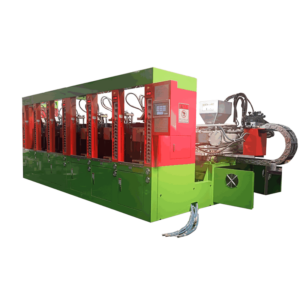
Rubber injection molding is a manufacturing process used to produce rubber parts by injecting molten rubber material into a mold cavity. The rubber is typically heated and then injected under pressure into the mold, where it cures and hardens into the desired shape. The process is suitable for various rubber materials, such as EPDM, NBR, SBR, and NR (Natural Rubber), depending on the application’s specific requirements.
In rubber injection molding, the material is in a solid or semi-solid form before being injected into the mold, as opposed to the liquid form used in LSR injection molding. The rubber injection molding machine heats the rubber material and forces it into the mold cavity, where it solidifies under pressure and temperature. After cooling, the part is ejected, and the cycle is repeated.
Types of Rubber Used in Injection Molding
Various types of rubber are used in traditional injection molding, each offering distinct properties suited to specific applications. Some of the most common types include:
-
EPDM (Ethylene Propylene Diene Monomer): Known for its excellent resistance to weathering, ozone, and high temperatures, EPDM is commonly used in automotive, roofing, and electrical applications.
-
NBR (Nitrile Butadiene Rubber): Known for its oil and fuel resistance, NBR is widely used in seals, gaskets, and o-rings in automotive, aerospace, and industrial applications.
-
SBR (Styrene-Butadiene Rubber): A general-purpose rubber, SBR is used in applications such as tires, conveyor belts, and flooring due to its durability and abrasion resistance.
-
NR (Natural Rubber): With high tensile strength and flexibility, NR is commonly used for vibration isolation and sealing applications in automotive and industrial machinery.
Key Applications of Rubber Injection Molding
Rubber injection molding is widely utilized in industries that require flexible, durable, and resilient components. Some common applications include:
-
Automotive Industry: Rubber injection molding is used for producing rubber seals, gaskets, bushings, and vibration dampers that are essential for the functionality and durability of vehicles.
-
Industrial Sealing: The process is often used to create seals and gaskets for various industrial machines and equipment, where they must withstand temperature extremes, pressure, and chemical exposure.
-
Consumer Goods: Rubber parts such as handles, grips, and vibration dampers are manufactured using rubber injection molding, contributing to the comfort, usability, and performance of everyday products.
-
Electrical and Electronics: Rubber gaskets and seals are essential in protecting electrical components from moisture, dust, and other contaminants, making rubber injection molding ideal for these applications.
Key Differences Between LSR and Rubber Injection Molding
| Feature | LSR Injection Molding | Rubber Injection Molding |
|---|---|---|
| Material State | Liquid form before injection | Solid or semi-solid form before injection |
| Temperature Resistance | -100°F to 450°F (-73°C to 232°C) | -40°F to 250°F (-40°C to 121°C) |
| Flexibility and Durability | Highly flexible, maintains shape | Can lose flexibility over time |
| Chemical Resistance | Superior resistance to chemicals | Varies by rubber type; generally lower |
| Biocompatibility | Non-toxic, hypoallergenic | Limited biocompatibility |
| Precision | Exceptional precision and detail | Less precision compared to LSR |
| Curing Process | Thermal curing at high temperatures | Curing at lower temperatures |
| Cycle Time | Faster cycle times | Longer cycle times |
| Initial Tooling Costs | Higher initial tooling costs | Lower initial tooling costs |
| Material Costs | Higher material costs | Generally lower material costs |
| Production Volume | Ideal for high-volume production | Cost-effective for large volumes |
Conclusion
Both LSR injection molding and traditional rubber injection molding are highly effective manufacturing processes, each with its own strengths and suited applications. LSR molding excels in industries that demand precision, biocompatibility, and high performance under extreme conditions, while rubber injection molding offers a cost-effective solution for high-volume production of durable, flexible parts that don’t require the same level of precision or heat resistance.
Ultimately, the decision between LSR and traditional rubber molding comes down to the specific requirements of your application. If your product needs to withstand high temperatures, resist environmental degradation, or meet stringent health and safety standards, LSR injection molding is likely the best choice. On the other hand, if you’re producing simple, durable components at a high volume and need to keep costs low, rubber injection molding may be the more appropriate option.
Understanding these differences will help you choose the right process and machinery, such as the silicone injection molding machine or rubber injection molding machine, to meet your production needs effectively.