


Introduction to TPU Injection Molding
Overview of TPU (Thermoplastic Polyurethane)
Thermoplastic polyurethane (TPU) is a highly versatile polymer used in a wide range of industrial applications. Its unique combination of elasticity, abrasion resistance, and toughness makes it ideal for products that need to perform under stress or in challenging conditions. TPU is commonly used in industries such as automotive, medical devices, sports equipment, and footwear. It is known for its ability to be processed using various methods, including extrusion, blow molding, and injection molding, which allows manufacturers to achieve intricate designs with excellent dimensional accuracy.
Importance of Injection Molding for TPU
Injection molding is one of the most effective and commonly used methods for processing TPU. The process allows manufacturers to create high-quality, complex parts with consistent properties. One of the main advantages of using injection molding for TPU is the ability to produce large volumes of parts quickly and efficiently. TPU’s thermoplastic nature also makes it suitable for re-melting and reprocessing, adding to its appeal in production environments where material cost savings are crucial. Furthermore, the precision of injection molding ensures that TPU components maintain their desired mechanical properties, such as flexibility, wear resistance, and chemical resilience, which are critical for many applications.

Understanding the TPU Injection Molding Process
What is Injection Molding?
Injection molding is a manufacturing process where molten material is injected into a mold to create parts or products. The process is commonly used for thermoplastic materials like TPU because it allows for high precision and large-scale production. In the case of TPU, the material is heated to its melting point, injected into a mold under high pressure, and then cooled to form the desired shape. This process is repeatable and highly scalable, making it ideal for mass production of complex parts.
Steps in TPU Injection Molding
The TPU injection molding process can be broken down into several key stages:
-
Melting the TPU Material: TPU pellets or granules are fed into the hopper of the injection molding machine, where they are melted by the heat generated by the barrel and screw. The temperature needs to be carefully controlled to ensure the TPU is properly melted without degrading.
-
Injection of Material into the Mold: Once the material is melted, it is injected into a mold under high pressure. The mold is designed to create the desired shape of the part, and it typically consists of two halves that are tightly clamped together during injection.
-
Cooling: After the material is injected, the mold is cooled. The cooling process solidifies the TPU, allowing it to retain the mold’s shape. Cooling time is critical as it affects the final product’s quality, such as surface finish and dimensional accuracy.
-
Ejection: Once the part has cooled and solidified, the mold opens, and the part is ejected. The cycle is then repeated with the next set of TPU material.
Common Applications of TPU Injection Molding
TPU injection molding is used in many industries due to TPU’s superior properties. Some of the most common applications include:
-
Automotive Components: TPU is used in the production of gaskets, seals, bumpers, and other parts that require both flexibility and durability. The ability to withstand harsh environments makes TPU ideal for automotive applications.
-
Footwear: TPU is frequently used in the production of shoe soles, insoles, and other components that require elasticity and resistance to wear and tear.
-
Medical Devices: TPU is biocompatible, making it suitable for medical applications such as tubing, connectors, and surgical devices. Its durability and flexibility ensure the long-term performance of medical components.
-
Consumer Goods: TPU is also used in products like phone cases, sports equipment, and soft-touch coatings on electronic devices, thanks to its durability and ability to retain its shape under pressure.
Key Factors in TPU Injection Molding
TPU Material Characteristics
Before diving deeper into the injection molding process, it’s essential to understand the unique properties of TPU that influence its molding behavior. TPU is a highly flexible material with superior abrasion resistance, making it ideal for products that must endure repeated stress. It is also resistant to oils, greases, and various chemicals, which contributes to its use in demanding environments.
Some critical characteristics of TPU include:
-
Hardness: TPU can be made in a range of hardness levels, from soft and flexible to more rigid, depending on the specific needs of the product. The Shore hardness scale is typically used to classify TPU materials, and the choice of hardness will influence the molding process and final part performance.
-
Elasticity: TPU maintains its elasticity over a wide range of temperatures, which is a key factor for parts that must remain flexible in both hot and cold environments.
-
Chemical Resistance: TPU has excellent resistance to oils, fuels, and other chemicals, which makes it highly effective for products exposed to harsh conditions.
Choosing the Right TPU Material for Injection Molding
Selecting the right grade of TPU for your application is crucial to achieving optimal molding results. Here are some factors to consider:
-
Hardness Requirements: If your product requires flexibility, a softer TPU grade may be chosen. If rigidity and resistance to wear are more important, a harder TPU grade might be more suitable.
-
Environmental Resistance: For products that will be exposed to oils, solvents, or extreme temperatures, choosing a TPU with the right chemical resistance is essential.
-
Flow Properties: Some TPU materials have better flow properties, which can influence the ease of injection and the quality of the final part. Material flow is critical for ensuring a uniform fill and minimizing defects in the molded part.
By understanding these material characteristics and selecting the correct TPU grade, manufacturers can optimize their molding process for efficiency and product performance.
Understanding the TPU Injection Molding Machine
Components of a TPU Injection Molding Machine
A TPU injection molding machine consists of several key components, each playing a vital role in ensuring the material is properly processed and shaped. Understanding how these components work together helps optimize the molding process and avoid potential issues. The main components include:
-
Hopper: The hopper is where the raw TPU material (in pellet or granule form) is loaded. The hopper ensures a continuous supply of material to the barrel.
-
Barrel and Screw: The barrel heats the TPU material to the required melting temperature, and the screw moves the material through the barrel, ensuring even melting and mixing.
-
Injection Unit: This unit controls the injection of the molten TPU material into the mold. The injection speed and pressure need to be precisely controlled to ensure uniform filling of the mold.
-
Mold: The mold is the heart of the injection molding process. It defines the shape of the final product and is designed with cooling channels to help solidify the TPU material once injected.
-
Clamping Unit: The clamping unit holds the mold halves together during injection and cooling. Proper clamping force ensures the mold stays sealed to prevent material leakage.
-
Cooling System: After injection, the part needs to cool in the mold to solidify. The cooling system circulates water or another cooling medium through channels in the mold to reduce the temperature of the injected material.
Selecting the Right Injection Molding Machine for TPU
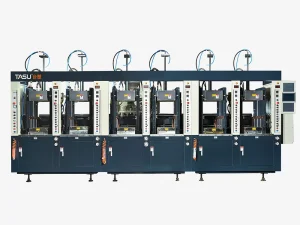
Choosing the right injection molding machine depends on several factors related to the TPU material and the final part design. Key considerations include:
-
Clamping Force: The clamping force is the amount of pressure needed to hold the mold halves together during injection. The required clamping force depends on the part size, material viscosity, and molding conditions.
-
Injection Speed and Pressure: TPU materials have varying flow properties depending on their grade. A machine with adjustable injection speed and pressure will ensure that the TPU fills the mold cavity without defects such as short shots or incomplete fills.
-
Shot Size: The shot size refers to the volume of material injected into the mold. It should be matched to the size of the part being produced, ensuring efficient use of material and cycle time.
-
Temperature Control: Since TPU requires precise temperature control to avoid degradation, an injection molding machine with accurate heating and cooling capabilities is essential.
Maintenance and Troubleshooting of TPU Injection Molding Machines
To maintain the longevity and efficiency of TPU injection molding machines, proper maintenance is critical. Regular checks on the following are recommended:
-
Temperature Sensors and Controllers: Ensure they are calibrated correctly to maintain consistent melt temperatures.
-
Injection Unit and Screw: These parts should be cleaned and lubricated regularly to avoid material build-up and ensure smooth material flow.
-
Hydraulic and Pneumatic Systems: The machine’s hydraulic and pneumatic systems should be regularly checked for leaks, ensuring that clamping pressure and injection pressure are maintained correctly.
Common issues and their solutions include:
| Issue | Possible Causes | Solutions |
|---|---|---|
| Material Flow Issues | Improper temperature settings, clogged filters, insufficient injection speed | Adjust temperature, clean filters, increase injection speed |
| Mold Sticking | Excessive cooling time, inadequate release agents | Adjust cooling time, apply release agents |
| Surface Defects | Uneven cooling, improper temperature settings | Control mold temperature, ensure uniform cooling |
Temperature Control in TPU Injection Molding
Optimal TPU Injection Molding Temperature Range
Temperature control is crucial in the injection molding of TPU. The proper temperature ensures that the material flows easily into the mold, fills the cavity completely, and solidifies with the desired properties. The temperature range for TPU typically includes:
-
Melt Temperature: TPU typically melts at a range of 210°C to 230°C, depending on the grade of material used. If the temperature is too low, the material may not melt properly, leading to incomplete fills or defects in the molded parts. On the other hand, if the temperature is too high, the TPU may degrade, losing its elasticity and other desirable properties.
-
Mold Temperature: Mold temperature typically ranges from 20°C to 60°C, depending on the complexity and thickness of the part. Lower mold temperatures can improve the surface finish, while higher temperatures may reduce cycle time but could affect the final part’s mechanical properties.
Impact of Temperature on TPU Material Properties
The temperature used during TPU injection molding directly influences the final properties of the part:
-
Hardness and Flexibility: Higher mold temperatures can lead to parts that are more flexible and softer, while lower mold temperatures may produce stiffer parts.
-
Surface Finish: Temperature also impacts the surface finish. High mold temperatures typically result in a smoother surface, while lower temperatures may cause surface defects such as flow marks or short shots.
-
Dimensional Accuracy: Maintaining a consistent temperature throughout the process ensures dimensional stability, preventing warping or shrinkage after cooling.
TPU Injection Molding Process Optimization
Cycle Time and Efficiency
Optimizing cycle time is a key factor in improving the efficiency of TPU injection molding. Cycle time consists of multiple stages: injection time, cooling time, and ejection time. By minimizing cooling time and optimizing mold design, manufacturers can significantly reduce cycle times. However, shortening cycle time too much may result in quality defects, so finding the right balance is essential.
Reducing Defects in TPU Injection Molding
Common defects in TPU injection molding include:
-
Air Traps: Air traps occur when air is trapped inside the mold cavity, leading to imperfections in the part. This can be avoided by ensuring proper venting in the mold design and optimizing injection speed.
-
Flow Marks: Flow marks occur when the material flows unevenly into the mold. Adjusting injection pressure and temperature can help minimize this issue.
-
Warpage: Warping can occur due to uneven cooling or improper temperature settings. This can be minimized by controlling mold temperature and ensuring uniform cooling.
Conclusion
In conclusion, thermoplastic polyurethane injection molding is a highly effective process for producing durable and flexible components across various industries. Understanding the TPU injection molding process, including the importance of temperature control, material selection, and machine optimization, is crucial for achieving high-quality parts. By focusing on these key factors and continuously optimizing the injection molding machine and process, manufacturers can enhance efficiency, reduce defects, and produce superior TPU products that meet the demands of their applications.