

Liquid Silicone Rubber (LSR) is a versatile, high-performance material known for its outstanding physical properties and wide range of applications. Unlike traditional solid silicone, LSR comes in a liquid form, making it ideal for use in injection molding processes, particularly where intricate designs and high precision are required.
LSR is made from a combination of high-purity silicone polymers and curing agents. Once injected into molds, it undergoes a curing process that transforms the liquid into a solid rubber material. This transformation allows LSR to retain its flexibility, resilience, and chemical resistance, even in the most demanding environments.
The material boasts excellent heat resistance, with the ability to perform in temperatures ranging from -60°C to 200°C. Additionally, LSR is electrically insulating, non-toxic, and biocompatible, which makes it suitable for medical and food-related applications.
Because of these properties, LSR is widely used across various industries such as automotive, medical devices, consumer electronics, and food packaging. In medical applications, for example, LSR is used for implants, seals, and surgical tools, where reliability and durability are critical.
In short, LSR is a go-to solution for many manufacturing challenges due to its unique combination of flexibility, heat resistance, and ease of molding, making it indispensable in modern injection molding processes.
The Rubber Injection Molding Process Explained
What is Rubber Injection Molding?
Rubber injection molding is a highly efficient manufacturing process used to produce high-precision rubber parts with consistent quality and minimal waste. This process involves injecting a rubber compound, such as Liquid Silicone Rubber (LSR), into a mold cavity using a rubber injection molding machine. The mold is then heated to cure the rubber, which takes on the shape of the mold and solidifies into a usable product. The entire process is automated, allowing for high-volume production of intricate and complex parts with minimal human intervention.
Rubber injection molding is especially popular for producing components that need to exhibit specific properties like heat resistance, electrical insulation, and flexibility. It is used in various industries, including automotive, medical, consumer goods, and electronics.
How Does LSR Injection Molding Differ from Other Molding Techniques?
Liquid Silicone Rubber (LSR) injection molding is distinct from other molding processes like compression molding or transfer molding in several key ways:
-
Material State: LSR is injected in its liquid form, unlike other types of rubber that are in solid form when molded. This gives LSR a unique ability to mold fine, complex shapes that may be difficult or impossible with solid rubber.
-
Precision and Detail: LSR molding allows for a high level of precision in producing parts with tight tolerances and intricate features, which is ideal for industries like medical and electronics.
-
Curing Process: In traditional molding methods, curing occurs through pressure or heat, but LSR injection molding uses heat to cure the liquid material once it has been injected into the mold, which ensures faster cycle times and better consistency across batches.
-
Versatility: LSR’s liquid nature enables the use of multi-shot molding, where different colors or types of material can be injected into the same mold cavity, further expanding its range of applications.
Ultimately, LSR injection molding offers advantages in terms of efficiency, accuracy, and the ability to produce high-quality parts with fine details that other molding techniques might struggle with.
To learn about the differences between liquid silicone rubber injection molding and rubber injection molding, click 《The Difference Between Liquid Silicone Rubber Injection Molding and Rubber Injection Molding》
The LSR Injection Molding Process Step-by-Step
Step 1: Material Preparation
Before the LSR injection molding process begins, the Liquid Silicone Rubber (LSR) material must be prepared. LSR comes in two parts: the base polymer and the curing agent. These components are mixed together to create a homogeneous mixture. In some cases, additives like colorants or reinforcing agents are added to the LSR mixture to meet specific requirements for flexibility, strength, or appearance.
The material must be free of air bubbles or impurities, as any inconsistency can affect the final product’s performance. Special care must be taken to ensure proper viscosity control, as LSR’s low viscosity allows it to flow easily into complex mold cavities, but excessive thinning can cause defects in the molding process.
Step 2: Injection into Molds
Once the LSR is prepared, it is injected into the mold using a rubber injection molding machine. This machine is designed to handle the precise injection of liquid silicone under controlled pressure and temperature. The mold is pre-heated to the required curing temperature, ensuring that the LSR material begins curing as soon as it enters the cavity.
Mold design is critical at this stage. The mold must be created to accommodate the specific requirements of the part, including any intricate features like undercuts, thin walls, or small holes. The mold must also be made of materials that can withstand the high temperatures required for curing the LSR.
Step 3: Curing and Cooling
Once the LSR has been injected into the mold cavity, the material begins its curing process. Curing involves heating the material to a specific temperature that causes the liquid silicone to chemically crosslink, hardening it into a solid form. This step is essential to give the part its final mechanical properties, such as durability, flexibility, and temperature resistance.
After curing, the mold must cool down before the part can be ejected. Cooling time is an important factor, as it ensures that the LSR part solidifies completely without any warping or dimensional changes. The cooling phase also affects the cycle time, with faster cooling often required for high-volume production.
Step 4: Ejection and Post-Processing
After cooling, the cured part is ejected from the mold. Depending on the complexity of the part, ejector pins or air blasts are used to ensure smooth removal. Once ejected, the part may undergo further post-processing steps, such as trimming excess material, cleaning, and quality control checks.
The post-processing phase ensures that the final product meets the necessary specifications. It might include cutting off flash (excess material that flows outside the mold cavity), inspection for defects, and testing for any physical or chemical properties required for its intended application.
Key Advantages of Liquid Silicone Rubber Injection Molding
High Precision and Detail
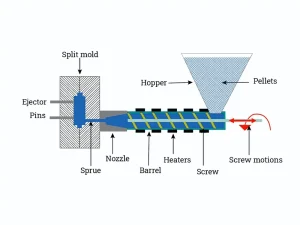
One of the most significant benefits of LSR injection molding is the ability to produce highly precise and detailed parts. The liquid form of LSR allows it to flow easily into small, intricate mold cavities, making it ideal for creating parts with complex geometries, tight tolerances, and delicate features. This makes it especially useful for industries like medical devices and electronics, where precision is crucial.
Versatility and Flexibility in Design
LSR is incredibly versatile, allowing manufacturers to create a wide range of shapes and sizes. The material’s ability to be injected into complex molds means that designers have almost unlimited freedom to create parts with various features, including thin walls, undercuts, and flexible or rigid zones within the same part.
Durability and Longevity
LSR exhibits excellent durability, even under harsh conditions. It is resistant to high temperatures, chemicals, and UV light, making it ideal for applications in extreme environments, such as automotive components or seals in medical devices. It can maintain its properties over time, ensuring that products made from LSR remain reliable for long periods.
Consistency and Repeatability
Because LSR injection molding is an automated process, it ensures consistent production of parts with the same dimensions and properties across large batches. This repeatability is crucial for mass production, where high-quality standards must be maintained throughout each cycle.
Medical and Food-Grade Applications
LSR’s biocompatibility makes it ideal for use in medical and food-related products. It is non-toxic and can be safely used in devices that come into contact with the human body, such as implants, surgical tools, and seals. Its ability to meet strict FDA and biocompatibility standards makes it a preferred choice in the medical industry.
Applications of Liquid Silicone Rubber Injection Molding
LSR injection molding is used in many industries due to its unique properties and benefits. Some of the most common applications include:
Medical Industry
LSR is widely used in medical devices, such as implants, gaskets, seals, and syringes. Its biocompatibility and flexibility make it perfect for parts that require long-lasting durability and comfort when used in the human body.
Automotive Industry
In the automotive sector, LSR is used for parts like gaskets, seals, and vibration dampers. Its ability to withstand extreme temperatures and harsh chemicals makes it ideal for components that need to function reliably in vehicles.
Consumer Electronics
LSR is also used in consumer electronics, including silicone keypads, waterproof seals, and electronic connectors. The material’s flexibility and electrical insulating properties make it ideal for protecting sensitive electronics from moisture and damage.
Baby Products and Food Containers
LSR is commonly used for food-safe products like bottle nipples, teething rings, and pacifiers. It is non-toxic and can be sterilized, making it a safe option for products that come into contact with babies.
The Role of Rubber Injection Molding Machines in LSR Production
Types of Rubber Injection Molding Machines
In the production of Liquid Silicone Rubber (LSR) components, the rubber injection molding machine plays a critical role in ensuring precision, speed, and quality. These machines are designed to handle the unique properties of LSR, including its low viscosity and fast curing time. There are several types of injection molding machines used in LSR production:
-
Plunger-Type Machines: These machines use a plunger to push the liquid silicone into the mold under high pressure. This type is common in smaller production runs and provides high precision.
-
Screw-Type Machines: These are more commonly used for large-scale production. The screw feeds the LSR into the mold chamber while maintaining uniform pressure and temperature throughout the injection process. This is ideal for maintaining high output consistency.
-
Multi-Shot Machines: These machines allow for the injection of different materials into the same mold during different stages of the cycle. This is beneficial for creating parts with multiple components, such as two-color molding or multi-material molding.
Each machine type has its benefits, and selecting the right one depends on factors like the size of the production run, complexity of the parts, and material requirements.
Factors to Consider When Choosing a Rubber Injection Molding Machine
When selecting a rubber injection molding machine for LSR production, several factors need to be considered:
-
Material Compatibility: Ensure that the machine is capable of handling the specific LSR material you are using, including its viscosity, curing requirements, and temperature ranges.
-
Precision and Tolerance: Some applications, especially in medical or electronics industries, require extremely precise molds. In such cases, machines with high tolerance capabilities are essential.
-
Machine Size and Capacity: The size of the machine must be compatible with the part sizes and production volumes. A machine with adjustable injection pressures and volumes offers greater flexibility.
-
Automation and Integration: For high-volume production, automated systems that can handle loading, injection, cooling, and ejection are crucial for efficiency and cost-effectiveness.
Machine Maintenance and Care
Proper maintenance of rubber injection molding machines is key to ensuring they operate efficiently and have a long service life. Routine maintenance tasks include:
- Regularly checking the injection unit for signs of wear or damage.
- Ensuring that the heating and cooling systems are functioning properly.
- Cleaning the machine to prevent material build-up that could clog injection paths or affect product quality.
- Performing calibration checks to ensure the machine delivers precise material quantities with each cycle.
Maintaining the machine not only extends its life but also minimizes downtime, which is crucial for keeping production schedules on track.
Conclusion
Liquid Silicone Rubber injection molding has proven itself to be an invaluable technique for manufacturing high-quality, durable, and versatile parts. From the medical industry to automotive applications, LSR provides a range of benefits, including precision, durability, and biocompatibility. The efficient process, along with the use of advanced rubber injection molding machines, makes LSR ideal for large-scale production.
As technology continues to evolve, the future of LSR injection molding looks promising, with increased automation, sustainability, and precision. Companies that embrace these innovations will be better positioned to meet the growing demand for high-performance rubber components across various