


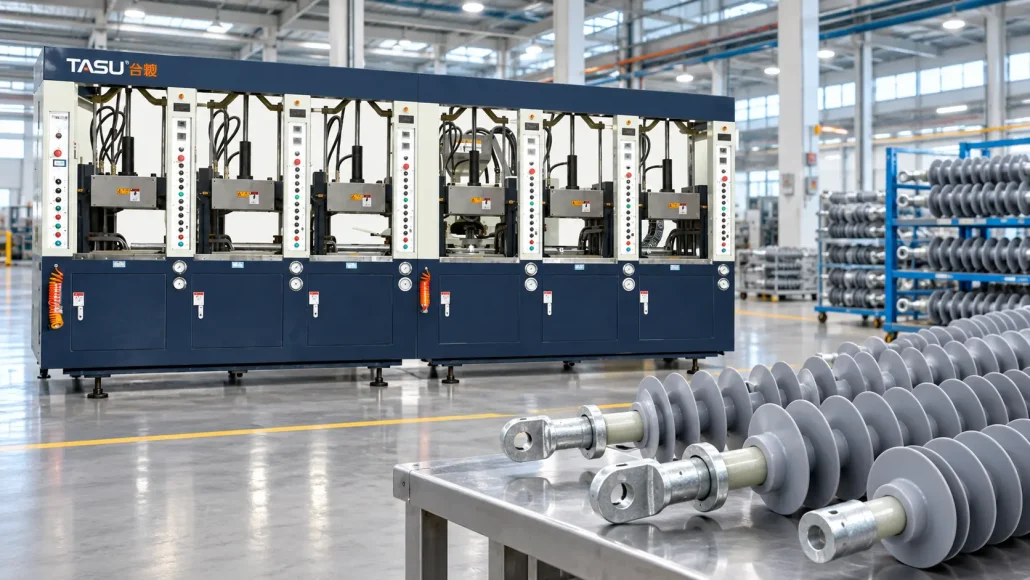
Composite insulators combine an insulating core, metal end fittings and a molded silicone rubber housing. Their long sheds, narrow interfaces and extended flow paths require stable material preparation, controlled injection and reliable air removal. A dedicated rubber injection molding machine for composite insulators injects prepared HTV silicone rubber around the FRP rod and associated components….
Category Archives: News
21
Oct
Oct
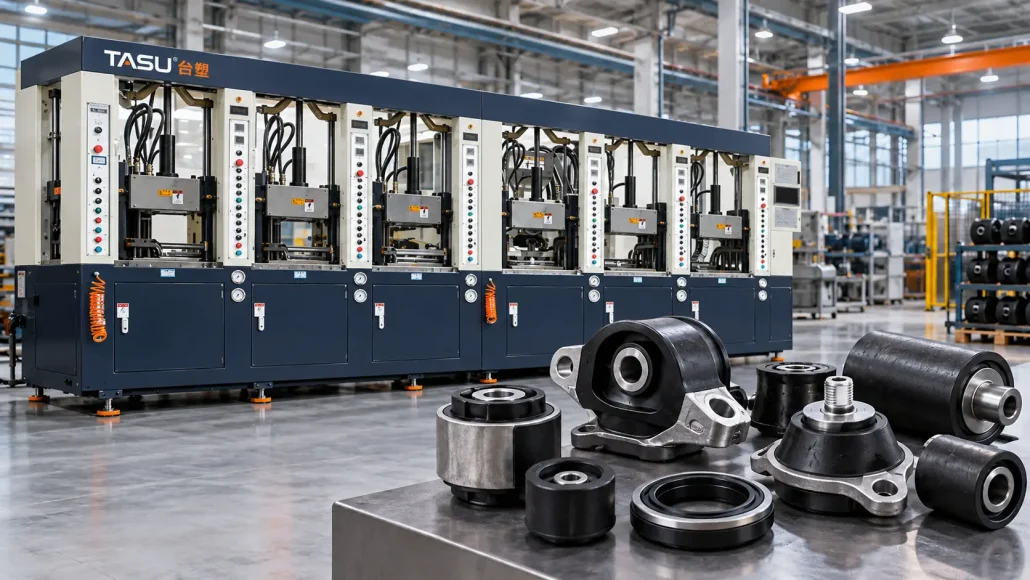
Rubber-to-metal bonded parts combine the elasticity, sealing performance or vibration control of rubber with the structural strength of metal. Typical products include suspension bushings, engine mounts, anti-vibration pads, bonded seals, rubber rollers, metal-core wheels and industrial damping components. Producing these parts requires more than filling a mold with rubber. Metal inserts must be prepared, positioned…
15
Oct
Oct
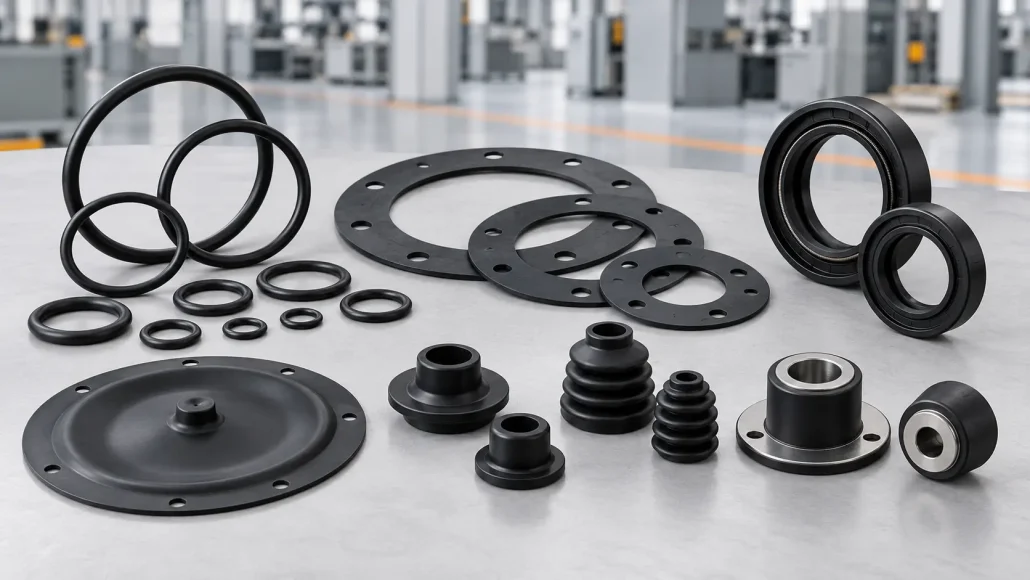
Seals and gaskets must prevent the movement of liquids, gases, dust or contaminants between connected components. Small variations in dimensions, material distribution, surface condition or curing can therefore affect the performance of the complete assembly. Rubber injection molding provides controlled material preparation, accurate shot metering and repeatable cavity filling. These capabilities make the process suitable…
10
Oct
Oct
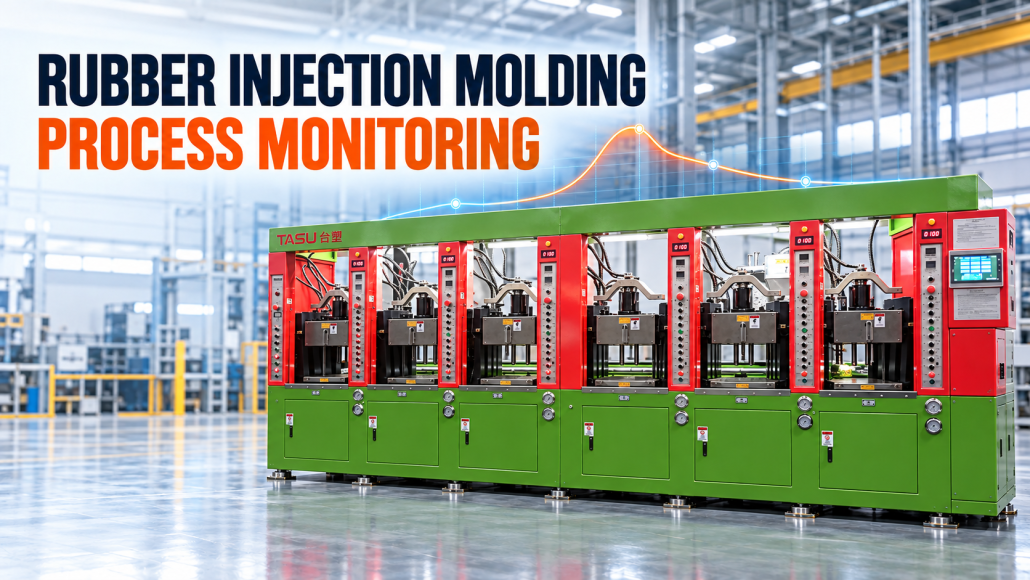
Rubber injection molding process monitoring uses machine data and product measurements to determine whether feeding, plasticization, injection, mold filling and curing remain stable from cycle to cycle. A machine can continue running even when the process is gradually moving away from its validated condition. Feed-roller wear, compound variation, blocked vents, temperature drift, gate restriction or…

29
Sep
Sep
Rubber injection molding cycle time directly affects machine output, labor requirements, energy consumption and cost per part. Reducing a few seconds from a stable high-volume process can create meaningful production gains, but shortening one stage without evaluating product quality can increase scrap, flash, incomplete curing or machine downtime. The complete cycle includes more than injection…

23
Sep
Sep
Rubber plasticization prepares an uncured compound for accurate metering and injection. Inside a rubber injection molding machine, the feeding system and plasticizing screw soften, mix and convey the compound until it reaches a suitable condition for filling the mold. Unlike thermoplastics, rubber should not be completely melted inside the barrel. The compound must become sufficiently…

16
Sep
Sep
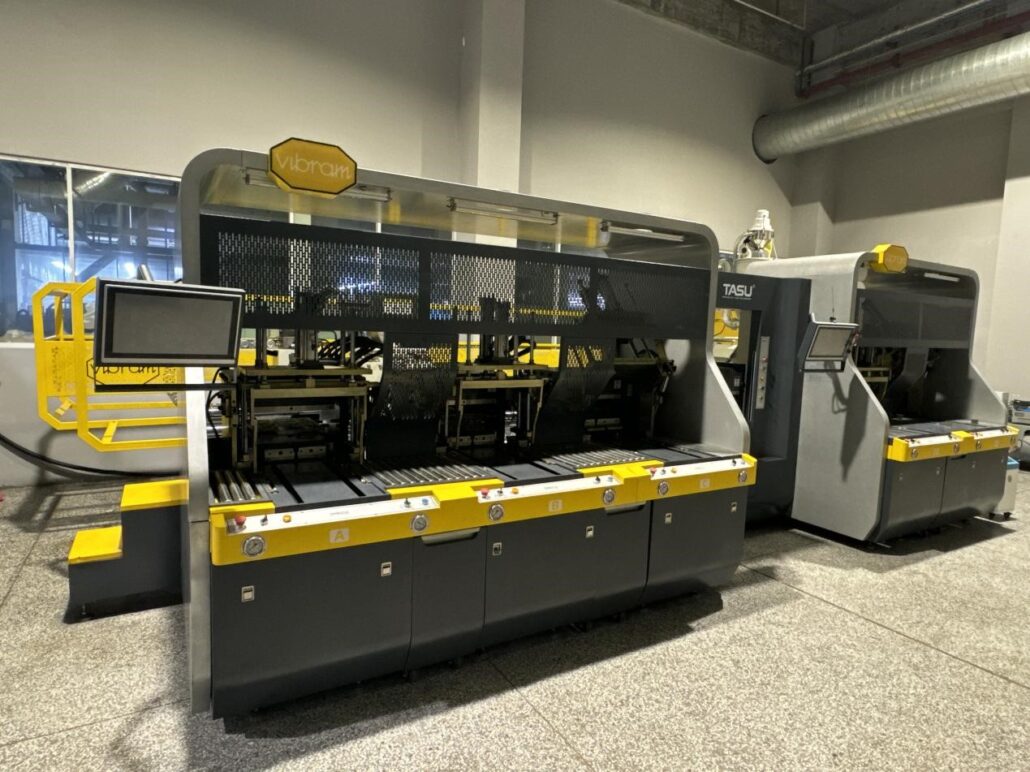
RubberTech China 2026 is underway at the Shanghai New International Expo Centre. On the second day of the exhibition, TASU welcomes rubber product manufacturers, industry partners, and new and returning customers to visit Booth W5B169. At this year’s exhibition, TASU is presenting its latest cold runner mobile horizontal rubber injection molding machine and multi-station production…
31
Aug
Aug
Rubber mold venting provides controlled escape paths for the air and gases displaced as rubber fills the cavity. Without effective venting, compressed gas can prevent complete filling, create burn marks, leave surface defects and produce inconsistent dimensions. Vent performance depends on more than the presence of a groove at the parting line. Vent location, depth,…

26
Aug
Aug
Rubber injection molding pressure and speed determine how the plasticized compound travels through the nozzle, runner, gate and mold cavity. Both parameters directly influence filling time, material flow, air removal, surface quality and dimensional consistency. Insufficient pressure may leave the mold partially filled, while excessive pressure can produce flash, mold separation or unnecessary equipment load….

21
Aug
Aug
Stable rubber injection molding begins before the compound reaches the mold. Feeding consistency, material sequence, screw control and shot preparation all influence injection pressure, cavity filling and final product quality. The rubber injection molding machine feeding system delivers prepared compound to the plasticizing and injection unit. Modern equipment may use first-in, first-out technology—commonly known as…