


Introduction
In industries ranging from automotive and aerospace to construction and electrical systems, safety and reliability in high-temperature environments are paramount. This is where fire-resistant rubber materials prove indispensable. These specially formulated materials not only resist ignition but also maintain critical properties like flexibility, strength, and functionality under extreme heat, making them essential for sealing, insulating, and protecting vital components.
Selecting the right material is crucial, and the manufacturing process, such as using a rubber injection molding machine, plays a key role in producing high-precision, durable parts. This article explores five distinct fire-resistant rubber materials, highlighting their unique advantages, key properties, and typical applications to help you identify the best option for your specific needs.
Comparison of Fire-Resistant Rubber Materials
The table below provides a quick overview of the five materials discussed, comparing their key properties and common applications.
| Material | Max Continuous Temp. | Key Strengths | Common Applications |
|---|---|---|---|
| Silicone Rubber | Up to 250°C (482°F) | Excellent heat resistance, inherent flame retardancy, flexibility at high and low temperatures, low toxicity. | Electrical insulation, high-temperature gaskets, aerospace seals, fire-resistant fabric coatings. |
| EPDM Rubber | Up to 150°C (302°F) | Excellent weather/ozone resistance, good flame retardancy with additives, durable and flexible. | Roofing membranes, automotive weatherstripping, industrial gaskets, construction seals. |
| Neoprene Rubber | Up to 120°C (248°F) | Inherently flame-resistant and self-extinguishing, good oil/chemical resistance, durable. | Conveyor belts, industrial gaskets, flame-retardant hoses, protective clothing. |
| Viton® (FKM) | Up to 200°C (392°F) | Exceptional heat and chemical resistance, superior flame retardancy, low gas permeability. | Aerospace seals, automotive fuel systems, chemical plant gaskets, oil & gas equipment. |
| Nitrile Rubber (NBR) | Up to 120°C (248°F) | Excellent oil/fuel resistance, flame retardancy available with additives, abrasion-resistant. | Fuel & hydraulic hoses, engine gaskets, oil & gas seals, industrial O-rings. |
1. Silicone Rubber
Silicone rubber is a top choice for extreme temperatures. Its unique structure provides outstanding thermal stability and inherent flame-retardant properties.
- Properties and Advantages: It remains flexible from very low to very high temperatures, doesn’t readily support combustion, and releases minimal toxic smoke if burned. This combination makes it exceptionally safe for critical environments.
- Applications: You’ll find silicone rubber in high-temperature wire insulation, seals in ovens and industrial furnaces, and gaskets in automotive and aerospace engines. It is also coated onto fabrics for firefighter gear. Components made with a rubber injection molding machine from silicone ensure complex, high-tolerance seals for these demanding applications.
2. EPDM Rubber
EPDM is valued for its excellent resistance to weathering, ozone, and steam, and it performs reliably in both indoor and outdoor fire-resistant applications.
- Properties and Advantages: While base EPDM has good heat resistance, specific compounds are formulated with additives to enhance its flame-retardant and self-extinguishing properties. It remains flexible in cold climates and is highly durable.
- Applications: Its primary use is in single-ply roofing membranes for fire-resistant roofs. It’s also used for seals in electrical enclosures, automotive engine bay weatherstripping, and gaskets for industrial equipment.
3. Neoprene Rubber
A classic synthetic rubber, Neoprene offers a well-rounded profile of flame resistance, durability, and moderate chemical resistance.
- Properties and Advantages: Neoprene is inherently self-extinguishing, meaning it chars and stops burning once the flame source is removed. It also resists degradation from oils, weathering, and physical abrasion.
- Applications: It is commonly used in fire-resistant conveyor belts in mining, as gaskets for electrical cabinets, in hoses for hot water and mild chemicals, and as a base for protective gloves and apparel.
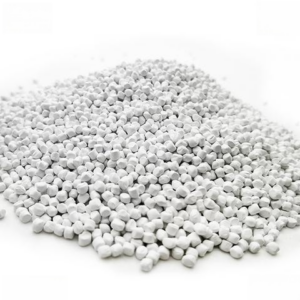
4. Viton® (Fluoroelastomer)
For the most demanding scenarios involving extreme heat and aggressive chemicals, Viton is the premium choice.
- Properties and Advantages: Viton boasts superior resistance to high temperatures, a wide range of chemicals, and flames. It also has very low gas permeability, making it an exceptional sealing material.
- Applications: It is critical in aerospace for engine and fuel system seals, in automotive for high-performance fuel injector O-rings, and in the chemical processing industry for seals and diaphragms that handle flammable fluids.
5. Nitrile Rubber (NBR)
Nitrile is the go-to material when oil and fuel resistance are the primary concerns, with fire resistance as a secondary but vital requirement.
- Properties and Advantages: NBR’s greatest strength is its resistance to oils, fuels, and greases. While standard NBR is not highly flame-resistant, special compounds with flame-retardant additives are used to meet safety standards in critical applications.
- Applications: It is extensively used in fuel and oil hoses, gaskets and O-rings in engine and hydraulic systems, and seals for machinery in the oil and gas industry. Using a rubber injection molding machine allows for the mass production of precise, reliable Nitrile components like these.
Conclusion
Choosing the right fire-resistant rubber is a critical decision that directly impacts the safety, performance, and longevity of your products. From the extreme heat capability of Silicone and Viton to the oil resistance of Nitrile and the weathering strength of EPDM, each material offers a unique set of properties. By matching these characteristics to your application’s specific demands—such as temperature, chemical exposure, and environmental factors—you can ensure optimal performance and safety. Furthermore, partnering with a manufacturer that utilizes advanced processes like rubber injection molding machine production will guarantee the consistency and precision required for high-quality fire-resistant components.