


Introduction to Double Color Injection Molding
Injection molding is a widely used manufacturing process, particularly for creating precise, high-volume plastic components. As the demand for more visually appealing and multifunctional parts has risen, traditional single-color injection molding has struggled to meet the evolving needs of various industries. This is where double color injection molding becomes essential.
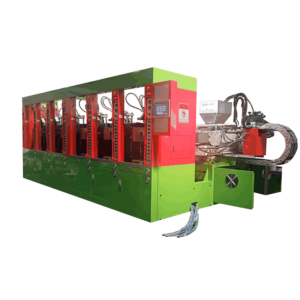
A double color injection molding machine, also known as a two-color injection molding machine, is specifically designed to mold parts using two different colors or materials simultaneously within a single cycle. This process merges the benefits of both injection molding and multi-material molding, enabling manufacturers to produce parts that are not only aesthetically pleasing but also functionally enhanced.
Importance and Benefits of Two-Color Injection Molding
The significance of two-color injection molding lies in its ability to create products with multiple properties that are challenging or costly to achieve through separate processes. Key benefits include:
-
Aesthetic Appeal: The capability to mold products in two distinct colors allows for unique designs, particularly advantageous for sectors such as automotive, consumer electronics, and packaging.
-
Increased Functionality: By integrating two different materials or colors, manufacturers can create parts with enhanced functionality, such as soft-touch grips or ergonomic features.
-
Efficiency in Production: This method eliminates the need for secondary operations like painting or assembly, thereby reducing both production time and labor costs.
How Two-Color Injection Molding Works
The two-color injection molding process consists of several precise steps to ensure that both colors are molded correctly together. The process typically unfolds in two distinct stages, each corresponding to the injection of one color or material.
The Basic Process Flow
The operation of a two-color injection molding machine revolves around a dual injection process, utilizing two separate injection units to inject different materials (or colors) into the mold in a controlled manner. Here’s a brief overview of the process:
-
Injection of the First Color: The machine begins by injecting the first material into a mold cavity, which could be a specific base color or primary material, depending on the design. This first injection follows the same procedure as traditional single-color injection molding.
-
Mold Rotation or Dual Injection: Once the first color has been injected and cooled sufficiently to solidify, the mold may rotate, or a secondary injection unit is activated to inject the second material. In some machines, the mold rotates 180° or more, allowing the second material to fill a different section of the cavity, bonding with the first material.
-
Injection of the Second Color: The second injection is executed with precision, either in the same cavity or a secondary one, depending on the design. This forms the secondary color or material around the first injected material.
-
Cooling and Ejection: After both colors have been injected, the part is cooled to solidify both materials. The mold then opens, and the finished part is ejected.
Components of a Two-Color Injection Molding Machine
To facilitate the precise and efficient manufacturing of two-color parts, the machine comprises several key components that work in unison:
-
Injection Units: Typically, a two-color injection molding machine features two separate injection units, each responsible for injecting a different material or color. These units can be positioned side by side or on separate arms for independent control.
-
Mold: The mold used in a two-color machine is specially designed with multiple cavities or rotating cores to accommodate the injection of two different materials. These molds are generally more complex than single-color molds, requiring careful design to ensure proper interaction between the materials.
-
Rotating Table or Multi-Nozzle System: Many two-color injection molding systems utilize a rotating table or multi-nozzle system to facilitate the transfer of the first material to the second injection point, ensuring accurate positioning for seamless bonding.
-
Clamping Unit: The clamping unit holds the mold halves together under high pressure during the injection process. For two-color molding, this unit must support the increased complexity and pressure generated by dual injections.
Applications of Double Color Injection Molding
Double color injection molding is employed across various industries to produce aesthetically pleasing, multifunctional parts that serve both decorative and functional purposes. Common applications include:
-
Automotive Industry: Frequently used to create car interior components such as dashboard elements, gear knobs, and trim pieces that require multiple colors or materials for visual appeal and durability.
-
Consumer Electronics: In this sector, two-color injection molding allows for the production of smartphone cases, computer mouse buttons, and other components where aesthetics (like color and texture) are crucial.
-
Medical Devices: This technique is used to manufacture medical devices that need to combine different materials—such as soft-touch and rigid components—in a single piece, including handles for surgical instruments or diagnostic equipment.
-
Packaging Industry: High-end product packaging, such as cosmetics or luxury goods, often utilizes two-color molding to create attractive, functional containers with various colors or textures.
Advantages of Two-Color Injection Molding
The double color injection molding process offers several distinct advantages that make it appealing to manufacturers:
-
Aesthetic Appeal and Branding: Parts produced through two-color molding can feature more complex designs with multiple colors or finishes, enhancing the visual appeal of products and strengthening brand identity.
-
Cost-Efficiency: By molding two different materials or colors simultaneously, manufacturers can minimize secondary processes like painting, assembly, and finishing, leading to lower production costs and faster turnaround times.
-
Improved Functionality: This method allows for the creation of parts that combine materials with distinct properties, enhancing functionality and usability, such as a hard outer shell with a soft, ergonomic grip.
-
Time and Labor Savings: The reduction of secondary operations and the ability to mold two materials in one cycle enable manufacturers to save time and labor costs, making it a highly efficient choice for high-volume production.
Conclusion
Double color injection molding has transformed the manufacturing landscape by merging aesthetics and functionality into a single, efficient process. This technology allows manufacturers to produce parts with two different colors or materials, providing significant advantages in design flexibility, cost efficiency, and production speed. The applications of two-color injection molding span a wide range, from automotive components to consumer electronics.
While challenges exist, such as the need for precise mold design and material compatibility, the benefits of this process far outweigh the drawbacks for high-volume production. With ongoing technological advancements, including automation and eco-friendly materials, the future of double color injection molding appears bright, promising even greater opportunities for innovation and efficiency.
In summary, double color injection molding is an essential tool for modern manufacturers aiming to produce high-quality, visually appealing, and functional products at scale. As industries continue to seek more complex designs, the significance of this process will only increase, solidifying its role as a vital asset for companies striving to remain competitive in today’s market.