


Introduction: The Evolution of Shoe Sole Manufacturing
The shoe manufacturing industry has seen significant technological advancements in recent decades. One of the most notable shifts has been the move from traditional Shoe Sole Press Machines to modern Shoe Sole Injection Molding Machines. Historically, pressing machines were the go-to technology for creating shoe soles, using high pressure to form rubber or other materials into sole shapes. While effective for its time, this method has limitations in design flexibility, speed, and material use. In contrast, shoe sole injection molding has revolutionized the process by offering greater efficiency, sustainability, and customization options.
In this article, we will explore how Shoe Sole Injection Molding Machines are replacing Shoe Sole Press Machines, and how they are benefiting the footwear industry, manufacturers, and consumers alike.
1. The Shoe Sole Press Machine: Traditional Method of Sole Production
How the Shoe Sole Press Machine Works
The Shoe Sole Press Machine has been a cornerstone of shoe manufacturing for many decades. The process involves placing a rubber or synthetic material in a mold, which is then subjected to high pressure to form the shape of the sole. This pressing technique is typically used for rubber, polyurethane, and thermoplastic materials. The material is heated to soften it, making it pliable enough to take the mold’s shape under pressure.
In a traditional outsole pressing machine, the material is heated and compressed into molds to form the sole. The press can create various designs and sizes, but the flexibility in design is often limited to simpler shapes and patterns. The process is relatively straightforward, requiring fewer steps and less complex machinery than more advanced methods like injection molding.
Advantages and Disadvantages of the Shoe Sole Press Machine
Advantages
-
Simplicity: The process is straightforward and doesn’t require high-tech machinery or intricate setups. It is ideal for basic sole designs.
-
Cost-Effective for Small Production: For small to medium production volumes, a press machine can be more economical. The initial cost of setting up a shoe sole press is typically lower than an injection molding machine.
-
Fewer Materials Wasted: With pressing, manufacturers can make use of most of the material without significant waste.
Disadvantages
-
Limited Design Flexibility: The press machine is not well-suited for producing soles with intricate designs, multi-material features, or complex patterns. The material needs to be flexible and uniform, limiting creativity.
-
Slower Production Speed: Each press cycle takes more time compared to injection molding. High-volume production can be slower, which is not ideal for large manufacturers who need to meet growing demand quickly.
-
Material Constraints: The types of materials that can be used in pressing are limited, and achieving certain textures or features can be difficult.
2. The Rise of Shoe Sole Injection Molding Machines
What is Shoe Sole Injection Molding?
Shoe Sole Injection Molding Machines represent a technological leap forward in the footwear manufacturing process. Unlike pressing, where the material is forced into a mold, injection molding involves injecting molten material (typically thermoplastic or elastomeric material) into a precisely designed mold under high pressure. Once the material cools, it solidifies into the final shape of the shoe sole.
This process allows for the creation of intricate and customized designs, multi-material soles, and more precise production. Injection molding offers much higher flexibility in terms of the sole’s shape, features, and functionality. Manufacturers can integrate various materials into a single sole, such as adding soft cushioning layers or creating air pockets for extra comfort, something that was nearly impossible with traditional pressing.
Key Advantages of Injection Molding for Shoe Soles
Faster Production Times
Injection molding is significantly faster than the traditional pressing process. Once the machine is set up, it can produce soles in a fraction of the time, greatly enhancing productivity. This speed is especially beneficial for large-scale manufacturers that need to produce large quantities of shoes quickly.
Greater Design Flexibility and Precision
One of the most significant benefits of injection molding is the ability to create complex designs. Whether it’s adding textured patterns, incorporating multiple layers of different materials, or designing soles with unique structural elements (like air pockets or flex zones), injection molding provides unparalleled versatility. This is a huge advantage for companies looking to innovate in shoe design.
Material Efficiency and Reduced Waste
Injection molding is more material-efficient because the precise amount of material is injected into the mold, reducing the amount of leftover or wasted material. Unlike pressing, which may require excess material to ensure the sole fills the mold, injection molding uses the exact quantity needed, making it more environmentally friendly.
Enhanced Durability and Comfort
The technology also allows for better integration of comfort-focused features, such as gel inserts or shock-absorbing soles, which are difficult to achieve with pressing. These added features not only improve the overall quality of the shoe but also contribute to consumer satisfaction.
3. How Shoe Sole Injection Molding Machines are Changing the Industry
Increased Efficiency in Mass Production
One of the major advantages of injection molding is its ability to handle large-scale production efficiently. Unlike traditional press machines, which require time-consuming setup and heating for each cycle, injection molding machines are more automated and can handle higher volumes of production with minimal downtime. This makes them an ideal solution for manufacturers with high output demands. The high-speed nature of injection molding also means fewer machines are needed, reducing labor and operational costs.
Design Flexibility
As mentioned earlier, the design flexibility offered by injection molding is unmatched. Manufacturers can experiment with different textures, shapes, and features without the limitations of a press machine. Customization is much easier, allowing companies to cater to specific market demands, such as designing shoes with unique sole patterns or incorporating high-tech features that would be difficult or impossible with traditional pressing.
Environmental Impact
Injection molding is often considered more environmentally friendly than pressing, mainly due to its material efficiency. The precise amount of material injected into the mold reduces waste, and the energy consumption in injection molding machines can be more optimized, especially in the latest models that are designed to be more energy-efficient. Additionally, injection molding can accommodate recycled materials, offering a more sustainable solution for eco-conscious manufacturers.
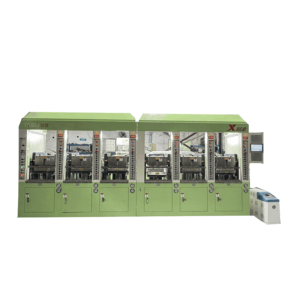
4. Cost Comparison: Shoe Sole Press Machine vs Injection Molding Machine
Initial Investment and Operating Costs
While the initial cost of a Shoe Sole Injection Molding Machine is generally higher than that of a press machine, the long-term savings can be substantial. The price of injection molding machines has decreased over time as technology has advanced, making them more affordable for larger manufacturers. On the other hand, press machines still represent a lower initial investment, but the trade-off is slower production and higher long-term costs due to inefficiencies in material use and labor.
Long-Term Savings and Profitability
In terms of operating costs, injection molding machines are more cost-efficient in large-scale production. They require less manual intervention, reducing labor costs, and the faster cycle time leads to higher output and better overall profitability. Additionally, the ability to use multiple materials and create more durable soles can lead to increased customer satisfaction and repeat business, further boosting profitability.
5. Industries Benefiting from Shoe Sole Injection Molding Machines
Footwear Industry
The shoe manufacturing industry is one of the largest sectors benefiting from Shoe Sole Injection Molding Machines. From sports footwear to luxury designer shoes, the ability to create high-quality, durable, and comfortable soles quickly and efficiently has been a game-changer for manufacturers. Major footwear brands are increasingly adopting this technology to stay competitive in the market.
Customization and Sustainability in Footwear
As consumer demand for customized and eco-friendly products rises, shoe sole injection molding allows manufacturers to meet these expectations. Custom designs, unique features, and the use of sustainable materials are easier to incorporate with injection molding, making it a valuable tool for companies focusing on personalization and environmental responsibility.
Athletic Shoes and Performance Footwear
Athletic shoe manufacturers have particularly benefited from injection molding, as the technology allows them to create performance-oriented soles that offer enhanced comfort, flexibility, and support. Whether for running, hiking, or specialized sports, injection molding ensures that the soles meet the high standards required by athletes.
6. Common Challenges in Transitioning from Shoe Sole Press Machines to Injection Molding
Training and Skill Requirements
Transitioning from a traditional Shoe Sole Press Machine to a Shoe Sole Injection Molding Machine can present a steep learning curve for manufacturers. Injection molding is a more complex process that requires advanced technical skills and knowledge of the machine’s operation, material handling, and design optimization. Manufacturers may need to invest in employee training to ensure that their workforce can effectively operate the new machinery and maximize its potential.
For companies used to the simpler mechanics of pressing machines, this transition might require a cultural shift as well, as the work becomes more automated and reliant on advanced technology. The workforce must adapt to managing digital interfaces, maintenance of the equipment, and fine-tuning settings to achieve optimal production.
Machine Maintenance and Upkeep
Unlike shoe sole press machines, which generally have fewer moving parts and simpler mechanisms, injection molding machines are much more intricate. These machines require regular maintenance to keep them running smoothly, which can be more expensive and time-consuming. The complexity of the molding process means that any mechanical issues or breakdowns can cause significant delays in production.
Additionally, the molds themselves are a crucial part of the injection molding process. Molds can be expensive and need to be regularly replaced or maintained to maintain the quality of the soles. Companies will need to factor these maintenance costs into their overall production budget.
Material Compatibility
While press machines are limited in terms of the materials they can work with, injection molding machines offer greater flexibility in terms of the types of materials they can accommodate. However, transitioning to injection molding may involve testing and adapting new materials that work best with the molding process. Some manufacturers may encounter challenges with material formulations, ensuring that the right materials flow smoothly during the injection process while still achieving the desired strength, flexibility, and durability for the shoe sole.
Conclusion
As the footwear industry evolves, the shift from Shoe Sole Press Machines to Shoe Sole Injection Molding Machines represents a major leap in manufacturing technology. Injection molding not only offers significant advantages in terms of production speed, material efficiency, and design flexibility, but it also opens up new possibilities for creating durable, sustainable, and highly customized shoe soles. Manufacturers that adopt this advanced technology are better positioned to meet the demands of modern consumers and stay competitive in a fast-paced market.